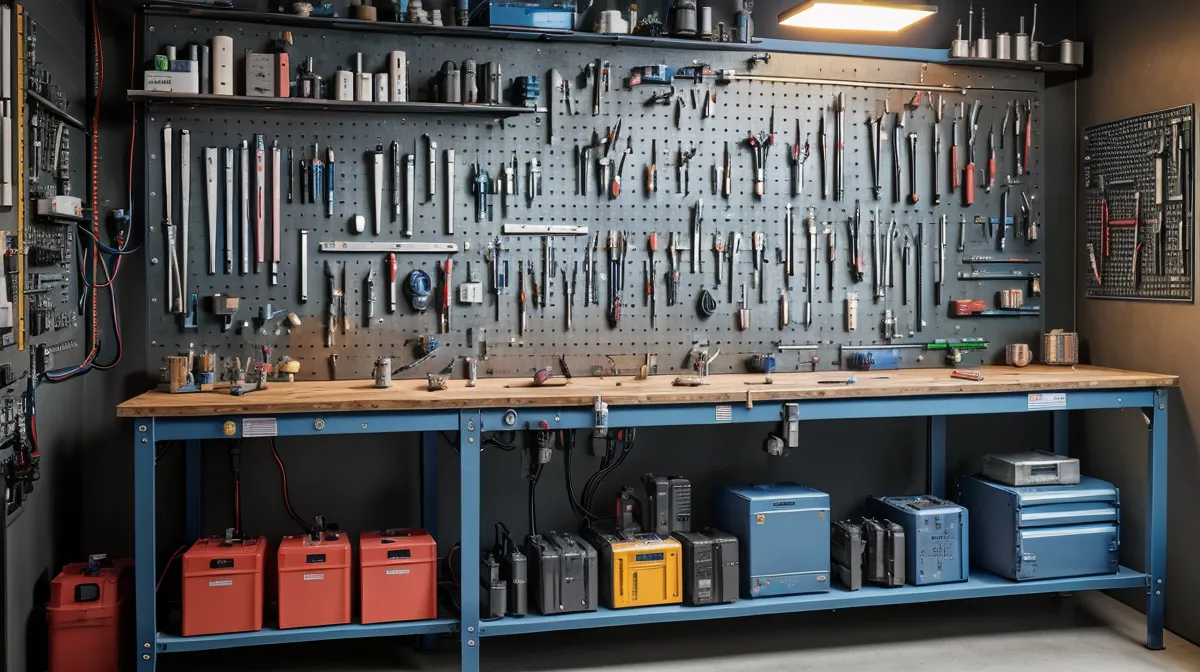
The Meter Disc Doesn't Lie
The aluminum disc behind my utility meter's glass was barely turning. Two doors down, my neighbor's disc was spinning like it owed the power company money, the kind of gap you only notice on a block where every air conditioner fights the same desert heat at once. That gap is what pushed me into building a DIY battery bank in my Phoenix garage, and it's also where most off-grid power projects go sideways before they even start. The forum-thread version of energy independence assumes bigger is always better: more cells, more amp-hours, a battery storage rig sized like it's meant to run a corner store. My own early builds chased that exact number before I learned better.
Call it the capacity myth: the idea that a battery bank's job is to hold as much energy as physically possible, when its real job is running specific loads for a specific number of hours. Every Lithium Iron Phosphate (LiFePO4) cell I've handled seems to dare you into buying more of them than you need, a 280Ah cell has the dense, cold heft of a cinder block, and stacking eight of them together gives you a confidence a spreadsheet never will. Ignore the confidence. Start with your critical load, add the surge when a compressor kicks on, multiply by the hours you need to bridge, and only then start counting cells.
How Big Does Your Off-Grid Battery Bank Actually Need to Be?
Sizing starts with watt-hours, not amp-hours, because amp-hours mean nothing until you know the voltage they're riding on. My own bank runs eight cells in series for a 24V system. At roughly 3.2V nominal per cell, that's about 25.6V nominal, and at 280Ah per cell, that works out to somewhere around 7,000 Wh of usable capacity — before you back off the top and bottom of the range the battery management system (BMS) won't let you touch anyway. In IT terms, it's the difference between spec'ing a server by total disk space versus spec'ing it by what your actual database needs to run. Extra headroom doesn't fix a mismatched design, it just costs more to cool.
The number that actually matters is your critical load, not your wish list. Add up what a garage fridge and a chest freezer's compressor really pull once the startup surge settles, multiply that by the hours of outage or off-sun time you want to bridge, and pad it because a BMS will never let you touch the very bottom of the bank. Divide the result by your system voltage and you get the amp-hours you're actually shopping for, usually a smaller, cheaper, cooler-running number than whatever a forum thread talked you into.
Top-Balancing, the Part Nobody Wants to Do
Cells don't arrive from the factory in agreement with each other, and that's the part nobody mentions before you buy eight of them. If one cell sits at 90% charge and another sits at 40%, the BMS shuts the whole bank down the moment the highest cell hits its ceiling: the same way a mismatched network link forces every device on it down to the speed of the slowest node. Top-balancing means pushing each cell individually up to its full voltage with a bench power supply before you ever wire them together, and it tests your patience more than your wiring skills.
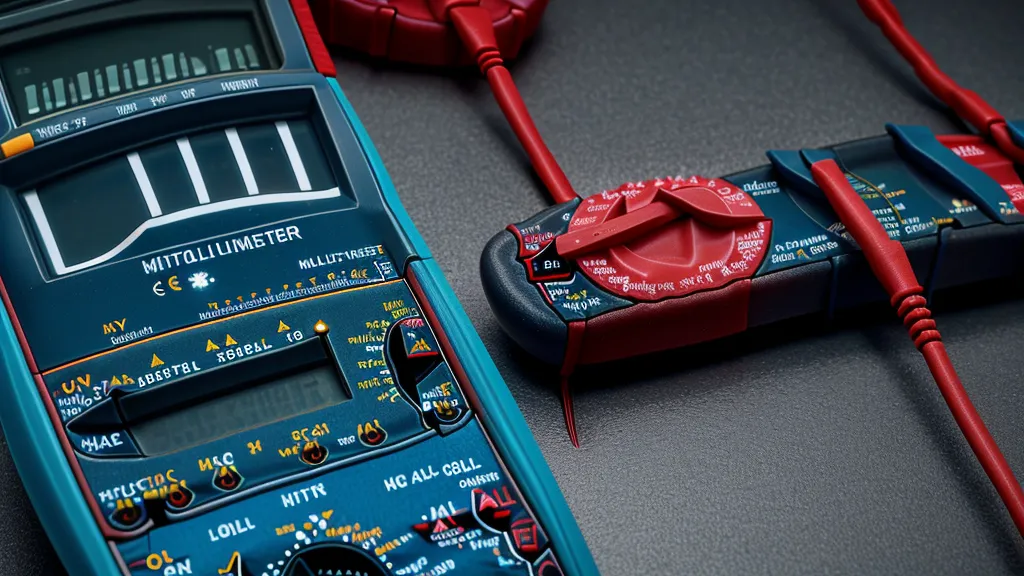
I spent evenings watching a multimeter creep up by hundredths of a volt, which is about as exciting as it sounds, but skipping the step is how a stack of good cells turns into an expensive paperweight. Getting the charging profile right afterward matters just as much, which is part of why I spent real time choosing a solar charge controller for small DIY battery banks instead of grabbing whatever was cheapest on the shelf. The charge curve a LiFePO4 bank wants is not the one a bargain panel controller ships with by default.
None of this forgives sloppy tool habits, either. An uninsulated wrench that bridges a positive and negative terminal will weld a permanent pit into a copper busbar in a fraction of a second, and the first warning you get is a spark and a smell, not a countdown. Wrap every tool in electrical tape before it goes anywhere near a live bank, no exceptions.

The Demand-Response Program That Didn't Save Me a Dime
Not every attempted fix for a brutal Phoenix summer power bill involves a soldering iron. Long before I ever touched a cell, I signed up for the utility's demand-response program, the one where they nudge your thermostat during peak hours in exchange for a credit. Two August evenings later, sweating it out while the program did its thing, the credit that landed on my account was small enough to be almost funny, nowhere close to what a properly sized battery bank quietly hands you every single afternoon it discharges instead of the grid.
Is a Battery Bank Just a Quieter Generator?
My neighbor Rosario Batista, two doors down, keeps a spreadsheet that tracks her utility bill down to the penny every month, and when she asked me once why her small balcony setup didn't need to be anything bigger, the honest answer wasn't "buy a generator instead." Gas generators start faster and ask less patience of you up front, but they're loud, they need fuel sitting around, and they do nothing for you quietly at whatever hour the fridge compressor decides to kick on. I've written elsewhere about why the power grid generator beats other portable power stations for sustained, heavy-duty output, but that comparison is about brute-force runtime, not the quiet, everyday cycling a properly sized battery bank exists for. Save the gas engine for the rare real emergency, and let the bank handle every ordinary evening in between.
Thermal Management Beats Chasing More Amp-Hours
Here's the part of the capacity myth that costs people the most: a bigger, denser bank generates more heat, and a Phoenix garage in July is already doing its best impression of an oven before you add stacked lithium cells to the mix. Pack eight cells into a tight box with no airflow, and the heat generated during a high-discharge moment (the fridge compressor kicking on, say) has nowhere to go, which is exactly the setup that invites Thermal Runaway in a dense bank. None of that requires a specific number to take seriously; it just means airflow is not optional.
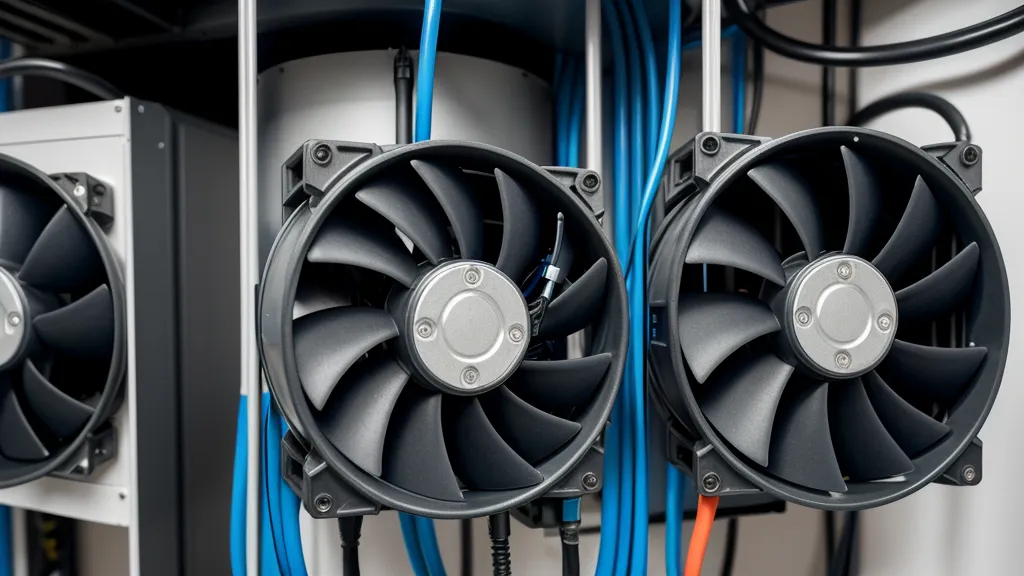
My own bank sits on a metal shelving unit a few feet from a pegboard wall hung with zip-tied cable bundles, spaced with gaps between each cell and a pair of leftover PC case fans doing the airflow work a sealed plastic tote never could. It isn't elegant; my workbench folds out next to a beat-up notepad and a clamp-on multimeter, and a box fan in the corner runs from May through September whether the bank needs it that day or not. But keeping the cells cooler than the box they came in is the difference between a bank that lasts and one that quietly degrades a little more every July.
The Parts of This Build I'm Not Covering
A battery bank this size is only half of an off-grid power setup, and it's worth saying plainly what this article isn't settling. How you wire the panels feeding it, series against parallel, changes your voltage and current in ways worth understanding before you buy wire gauge. Whether the inverter pulling AC out of this bank is a true sine-wave unit or a modified one matters for anything with a motor or a sensitive charger. Panel tilt angle shifts your summer output more than most people assume, and none of it matters much if you haven't mapped where your house is actually leaking energy in the first place. Obinna Nwachukwu, a fellow member at the maker space in Mesa, tends to catch me getting loose with terminology on all of this. He'll correct "amps" to "amp-hours" mid-sentence without looking up from his own wiring, and that habit has sharpened how carefully I talk about sizing.
Size for the Load You Have, Not the Bank You Want
The rule I'd give anyone starting this build is simple: total up the watt-hours your critical loads actually need to bridge, size the cell count and voltage to hit that number with a reasonable buffer, and only then start worrying about extra capacity, never the other way around. Chase amp-hours first and you end up with a hot, oversized box that still doesn't run what you needed it to run the moment the grid actually goes quiet. Size it to the load, manage the heat once it's built, and the rest of the conversation (the wiring, the inverter, the panels) falls into place around a foundation that already makes sense.
None of this is professional advice, and it's worth repeating plainly: I'm an IT support guy who's handy with a multimeter, not a licensed electrician, and high-capacity DC wiring carries real risk if you get it wrong. Treat everything here as one builder's field notes, not a substitute for a qualified electrician looking at your specific setup.