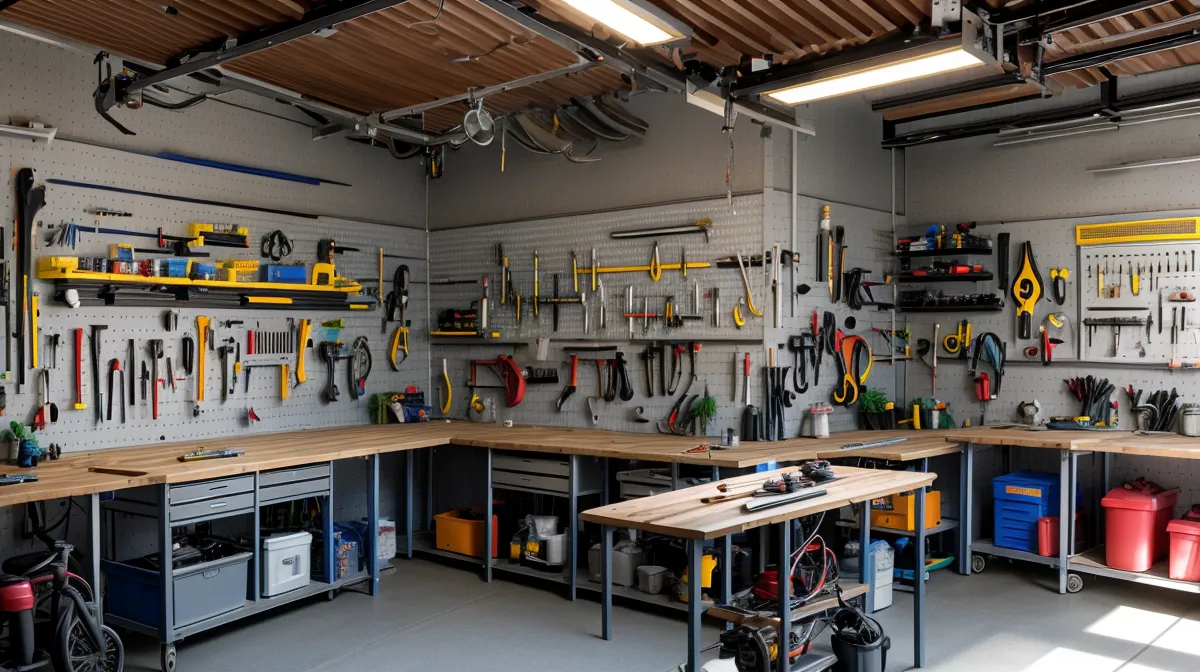
Two Phoenix installers quoted me a five-figure sum before incentives for a system sized to my actual summer usage, and neither one walked me through how they landed on that figure. That gap between a number and the math behind it is what sent me back to my own spreadsheet to run the solar calculation myself instead of trusting a sales quote. Energy efficiency, in my experience, starts with knowing your real daily load, not with whatever a salesperson decides your roof can hold. So before ordering a single panel for my own DIY setup, I built the same kind of load model I used to size servers, and it's the same model I still hand to anyone in Phoenix asking how much solar they actually need.
Years spent untangling office networks taught me that nobody solves a bandwidth problem by guessing at capacity, and the same logic applies to a breaker panel. My electric bill had hit $380 in past Julys, a number most of my neighbors recognize immediately without me explaining it. Rather than accept a contractor's rough estimate or another summer of dread, I built the same kind of load audit I'd run on an overloaded server, one column of actual numbers at a time.
The Daily Solar Calculation I Had to Get Right First
Twelve months of past bills went into a spreadsheet before any hardware got ordered, because December numbers in Phoenix are close to meaningless — July and August are where the real load hides. My highest cycle came in around 900 kWh over thirty days, which works out to a daily target of 30 kWh. That's the number everything else in this walkthrough gets measured against: find your own worst thirty-day cycle, divide by thirty, and treat the result as your daily bandwidth requirement.
A cheap plug-in energy monitor turned up some ugly surprises once I started checking individual circuits instead of the whole panel. My home office server rack — what my wife calls the space heater — was pulling a steady 300 watts around the clock, which adds up to more than seven kilowatt-hours a day just to keep a home lab running. The pool pump was worse, a background process that never really stops. None of this was a full home-energy audit — that's its own project, with its own math — but even this rough pass at cutting the power bill knocked a noticeable chunk off my daily number before I aimed a single panel at the roof.
Peak Sun Hours Aren't the Same as Daylight
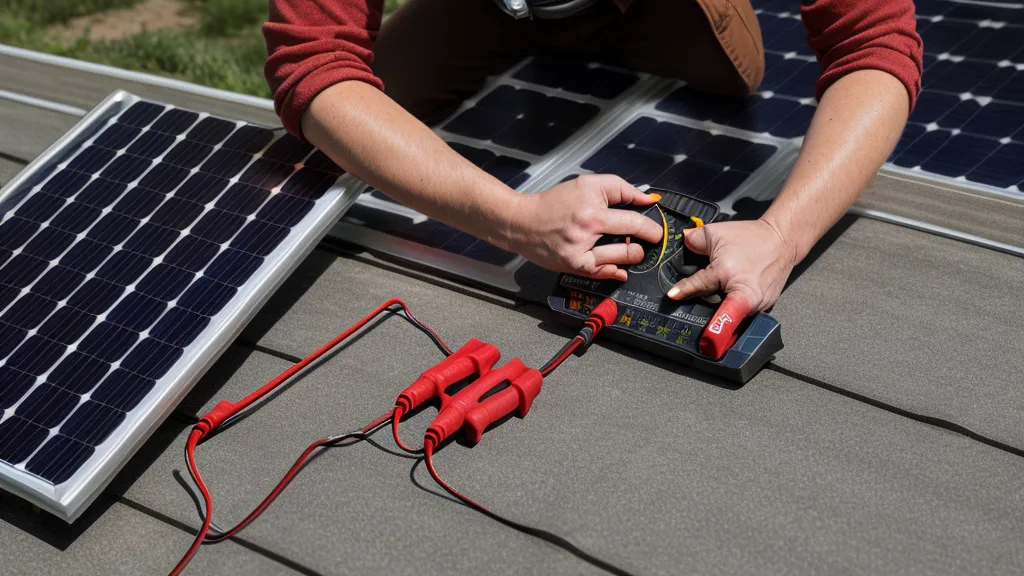
Daylight and peak sun hours get confused constantly, and that mix-up is where a lot of DIY sizing goes wrong. A peak sun hour is a specific measurement — the sun's intensity hitting 1,000 watts per square meter — not just however long it happens to be light outside. Phoenix averages about 6.5 peak sun hours a day across a full year, climbing to somewhere between 7.2 and 7.5 in the summer months and dropping to 5.2–5.5 in December and January, which puts this valley among the highest residential solar resources anywhere in the continental United States.
The formula is simple on paper: daily load divided by peak sun hours equals raw array size. For my 30 kWh target, that's 30 divided by 6.5, landing around 4.6 kW. Treating that as a finish line would have been a mistake, though, because the theoretical number assumes every watt makes it from the panel to the outlet with zero losses, and that never happens once real hardware and real weather get involved.
What Actually Eats Into Your Watts?
Converting DC power from the panels into the AC power a house actually uses costs something — typically 10 to 15 percent gets lost in that inverter translation. Heat takes another bite. Photovoltaics lose efficiency as panel temperature climbs, and by ten in the morning in July, a roof-mounted panel is well past the point where that matters, not unlike a processor throttling once its cooling can't keep up. Desert dust adds a third tax, settling on the glass like a film that quietly dims everything underneath.
Part of that same buffer has to cover the charge controller, too — a decent MPPT unit runs close to 97 percent efficient, while a cheap PWM controller sits closer to 75, and that gap alone can swing your real watt-hours more than most people expect (the full comparison is a rabbit hole for another day). Wire gauge matters for similar reasons: run current through wire that's too thin for the distance and you bleed power as heat along the way, which is exactly why how to wire multiple solar panels correctly — gauge matched to run length, whether the string is wired in series or parallel — is worth getting right before anyone flips a breaker. Inverter type is its own decision on top of that, since pure sine and modified sine models change what you can safely run once the power is flowing, which is a separate question from how many panels you need in the first place.
To close the gap between theory and reality, I apply what I've started calling a buffer multiplier of 1.4 — roughly 40 percent added on top of the raw number to cover heat, dust, and every conversion step between the panel and the outlet. Applied to my array, 4.6 kW times 1.4 lands close to 6.5 kW, which is the number I actually built toward instead of the optimistic raw figure.
Turning Kilowatt-Hours Into an Actual Panel Count
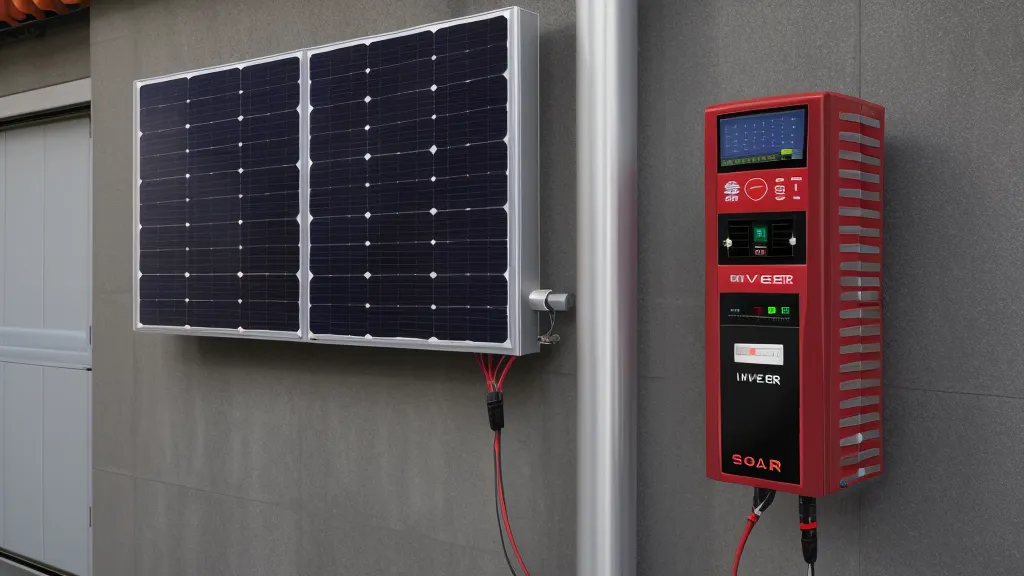
Standard panels run around 400 watts these days, so 6,500 watts divided by 400 comes out to just over sixteen — I rounded up to seventeen, since nobody sells a fraction of a panel. Roof space works out to roughly 300 square feet of unshaded, south-facing surface for that count, and finding it meant a Saturday morning on a ladder with a tape measure, heat already shimmering off the driveway past the garage door well before noon, discovering that my neighbor's palm tree was going to shade two of my planned spots by early afternoon. Panel tilt angle is a separate lever I didn't touch on this build — mine sits at the roof's natural pitch — though a few degrees of adjustment can shift summer output more than most people assume, which is worth its own comparison sometime.
Mounting rails came from a Saturday trip to the swap meet at the Chandler Gila River Arena, which is where a decent chunk of Phoenix's DIY solar crowd seems to end up hunting for secondhand hardware. Vince Paderewski, a coworker from the IT department, dug a spare inline fuse out of his desk drawer when I needed one to test a string safely — that drawer holds more adapters and test leads than our actual supply closet.
So Did the Math Actually Hold Up?
Five weeks after I started tracking daily output against that 6.5 kW target, my APS bill came back barely worth mentioning. I refreshed the utility app twice, half expecting a billing error, before accepting that the number was actually right. None of this touches battery bank sizing, either — this system is grid-tied without storage, and sizing a bank for genuine backup power is a different math problem with its own set of trade-offs.
Tariq Belmahi, a former HVAC technician working toward his own off-grid setup who I met at a home-improvement expo, is the one person in my group chat who always asks the uncomfortable questions — permits, inspections, whether a given approach actually passes code in his jurisdiction. Those questions matter more than the wattage math, and they're exactly why this walkthrough is about sizing a system on paper, not about wiring one into a main panel without a licensed electrician checking the work. High-voltage DC doesn't forgive guesswork, and neither does an inspector.
If you like reading about the rougher parts of DIY energy work, I've documented a few elsewhere too, including troubleshooting the Orgone motor build — solar sizing turned out to be the more mathematically honest project of the two, quotes notwithstanding.
The lesson that actually stuck wasn't about panels or which inverter to buy — it's that a sizing quote is only as good as the load data behind it, and that data comes from your own bills, not a stranger's assumption about your roof. If you're staring down another summer of dreading the electric bill, the math beats the sales pitch every time, in Phoenix or anywhere else the sun shows up.