
I get asked constantly which saves more money: a gas generator idling in the driveway, or a solar rig you built yourself. Neighbors ask me some version of that question every time they spot panels leaning against my garage, and most comparisons of a solar generator versus a gas generator never really answer it, because they're written around retail power stations instead of the DIY route people my age are actually taking.
Before the cost breakdown: a couple of the links further down are affiliate links, and I get a small commission if you buy through them, at no cost to you. I only point people toward builds I've actually run myself, mostly because I've already blown a fuse or two so you don't have to. None of this is professional advice — I'm not an electrician, just a guy with a multimeter and more curiosity than sense.
The Gas Generator: High Throughput, High Latency
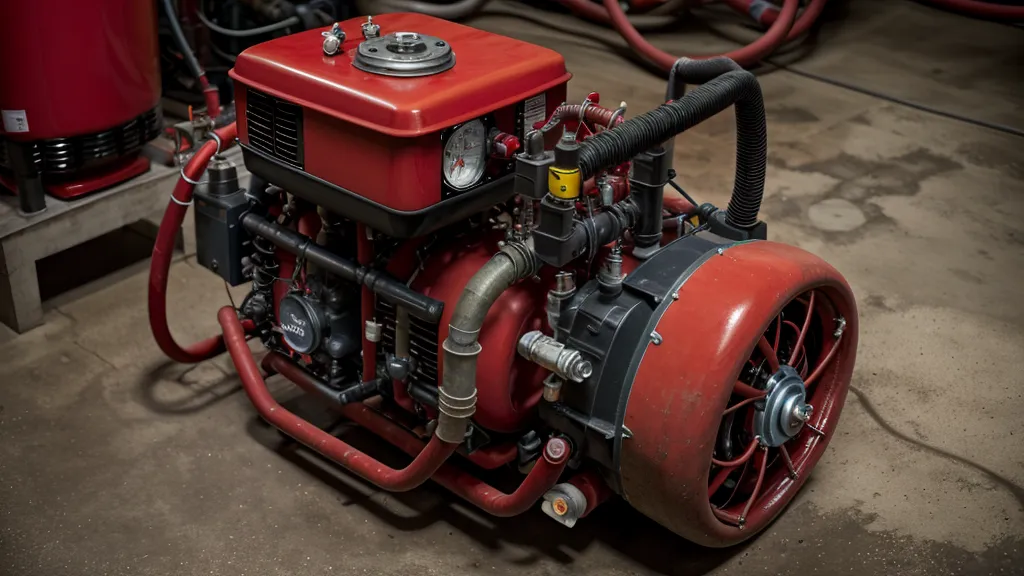
A gas generator is basically the mechanical hard drive of backup power — reliable for bulk storage, but the startup latency is rough. During a grid flicker last winter, I had to walk out, drag the generator to the driveway, check the oil, and get it stable, and by the time it was actually producing power the grid was already back. That's a five-minute outage answered with a fifteen-minute startup sequence, which in IT terms is the kind of latency that gets a ticket escalated.
Then there's the running cost, which is where the gas math really falls apart. At around four dollars a gallon, keeping a fridge and a few lights alive for a full day burns close to five gallons — call it twenty dollars just to keep the milk cold. Add oil changes and spark plugs on top of an initial cost in the ballpark of six hundred dollars, and you've got a machine that costs money every single hour it runs. None of that touches the actual monthly bill; it just buys you a loud, smelly insurance policy for the hours the grid drops.
Why I Didn't Just Buy a Pre-Built Solar Generator
Pre-built solar generators looked like the obvious upgrade — no moving parts, instant-on, silent — except the big-brand units were priced like enterprise rack servers, some pushing three thousand dollars for a battery in a plastic case. I'd already tried the cheaper route: an off-the-shelf portable power station, the kind that shows up in every gift guide, and it couldn't keep a chest freezer cold much past midnight on a full charge. That told me the problem wasn't the concept, it was the storage capacity, and a sealed consumer unit isn't something you can open up and fix if a capacitor fails or you want to add capacity later.
Building my own system meant a slower start but way more flexibility, and that's the trade I was after. It took a while to get here, and calling the first few months of wiring "rough" would be generous. I documented some of the worst of it in 5 Wiring Mistakes I Made So You Don't Burn Your Garage Down, and the short version is: label your wires before you tuck them behind a panel, not after.
From DC to AC: What's Actually Inside the DIY Build
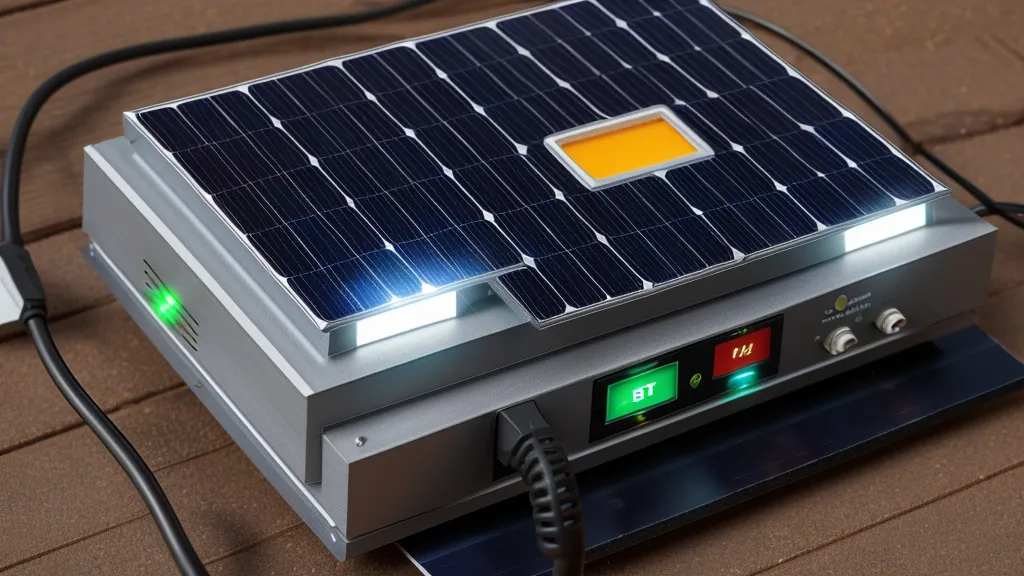
The logic finally clicked once I started treating the whole rig like a network diagram instead of a pile of parts: solar panels are the bandwidth coming in, the battery bank is the cache, and the inverter is the protocol converter that turns DC into the AC your TV or fridge actually understands. Which charge controller sits between the panels and the battery — PWM or MPPT — changes how efficiently that bandwidth gets used, though that's a big enough topic for its own write-up. Same goes for whether the inverter puts out a clean sine wave or a modified one; it decides what you can safely plug in, and I'm not getting into that here either.
Once the battery bank was actually wired up, I started measuring instead of guessing. Under a 600-watt load, my LiFePO4 cells held a steady 12.8 volts, which for a rig built mostly through trial and error felt like a small miracle. Sizing that battery bank correctly the first time is its own can of worms — I still get emails about it, including one from a reader named Juniper who tracked her answer down through a forum thread instead of guessing on her own, which is the smarter way to do it.
What a Structured Build Plan Actually Gets You
Guessing at wiring only gets you so far before you trip a breaker or, worse, let the smoke out of something expensive. What actually stopped the guesswork was working through the Energy Revolution System, a step-by-step build guide that treats the whole thing like a topology map instead of a stack of loose instructions — that's what finally made series versus parallel wiring click for me instead of just being a phrase I nodded along to. I wrote up how that changed my actual energy use in How the Energy Revolution System Helps Reduce Home Energy Use, if you want the longer version.
A friend of mine, Kwame — we met years back on a forum thread about charge controller wiring and still swap test data by email — won't take any of this at face value unless there's a number attached to it, and that habit rubbed off on me. That's part of why I clipped the multimeter leads onto the battery bank terminals one evening and watched the display settle at 14.1 volts, steady, while the meter on the side of the house hadn't moved in over an hour. Numbers like that are the only real way to compare a gas generator against something you built yourself, so here's what mine actually cost to run.
The Cost-Per-Watt Comparison Everyone Skips
Run the numbers over a three-year lifecycle and the picture is pretty stark. The gas generator lands around six hundred dollars up front, then keeps charging you every time it runs — fuel, oil changes, spark plugs, all of it recurring, none of it optional. The DIY solar build costs more going in, somewhere around nine hundred dollars once you've bought the panels, batteries, and inverter, but the fuel is free and hits the roof every morning whether you're home or not. One system depreciates with every hour of use; the other pays you back with every hour of sun.
If you're starting from zero, the wiring basics matter more than the panel brand or the battery chemistry, and that's exactly the gap Simple DC Circuit Wiring: A Suburban Dad's Guide is meant to close before you try to run anything bigger than a lamp off a battery bank. Trickle-charging the bank all day while I'm at my desk and drawing it down at night is how the DIY side actually chips away at a monthly bill instead of just sitting there as an emergency-only backup. How much tilt you give the panels through the summer changes that daily charge more than most people expect, though that's a separate adjustment worth its own explanation another time.
Capacity vs. Throughput: What Each System Can't Do
In networking terms, throughput is how much data moves right now and storage is how much you can hold onto. Power works the same way. The gas generator has huge throughput — wire it into the panel and it'll run central air — but zero storage; the second the engine stops turning, output is zero. The solar side flips that: a DIY build usually tops out around two to three thousand watts of throughput, but the battery bank is where the actual value sits, because it holds power you didn't use yet instead of wasting it.
I did try a compact alternative alongside the solar build — a build guide from Orgone Motor that's more compact and easier to fit into a smaller space, and it's a decent enough weekend project. It just isn't built for the storage a Phoenix summer actually demands, so I'd treat it as a secondary experiment rather than your main backup plan.
Which One You Should Build
Keep the gas generator if you need to run a job site or an entire house through a multi-day outage without watching a battery percentage — it's the on-premise legacy server of backup power, dependable but high-maintenance and loud about it. Go the DIY solar route if the goal is actually knocking down a monthly bill while having a silent, instant-on backup you can service yourself instead of shipping back to a warehouse.
None of this replaces actually finding out where a house leaks energy in the first place, which is a separate audit worth doing before you size any battery bank at all. My garage hasn't smelled like exhaust in months, the pull-cord on the gas unit sits untouched, and the bill that used to hit three hundred eighty dollars every summer is finally moving in the right direction instead of just repeating itself.
If you want a cheaper entry point into any of this, the Power Grid Generator guide is a reasonable budget pick for testing the concept before you commit real money to a full battery bank. For the full build — panels, wiring, storage, the works — the Energy Revolution System blueprints are still what I'd point a reader toward first; it's the closest thing to a proper manual for this that I've found, and it's the reason my garage produces power now instead of just storing spare parts.