
The ammeter needle ticks past two amps as I nudge the rotor housing back into alignment, and behind me the box fan in the corner is already losing its fight against the afternoon heat before the meter even settles. Another test run, another line in the notepad by the workbench. This magnetic generator is the latest entry in eighteen months of DIY energy experiments that turned my two-car garage into a cross between a workshop and a home IT setup running on off-grid power.
Quick disclosure before the technical stuff: this site runs on affiliate links, and clicking through to buy a product earns a commission at no extra cost to anyone reading. Only build guides that have actually been paid for, wired into this garage, and tested until something either worked or smelled faintly of hot insulation get recommended here. None of this replaces a licensed electrician. Treat everything below as one guy's workbench notes, not code-compliant advice.
People ask me some version of the same six questions whenever this comes up, so here they are, answered directly, numbers included.
The short version of why any of this started: the number on the utility app's screen did not look real the first time I saw it, and I refreshed the page twice thinking it had to be a rendering error. That was well before this magnetic generator existed. Back when my entire backup plan for a power outage was a Jackery-style portable power station that could not keep the chest freezer cold past midnight. That single failure is what actually sent me looking for something better, and eighteen months of garage experiments later, here we are.
The Real Numbers Behind a DIY Magnetic Generator
Yes, it works, and no, it will not replace your air conditioner. Peak output on the current build sits around 15 volts unregulated, stable amperage lands close to 2.3 amps once the rotor is up to speed, and that comes out to roughly 35 watts on a clean run. The mechanism is basic electromagnetic induction: copper coils, spinning magnets, nothing exotic. The flux-density math is a rabbit hole for a different kind of blog.
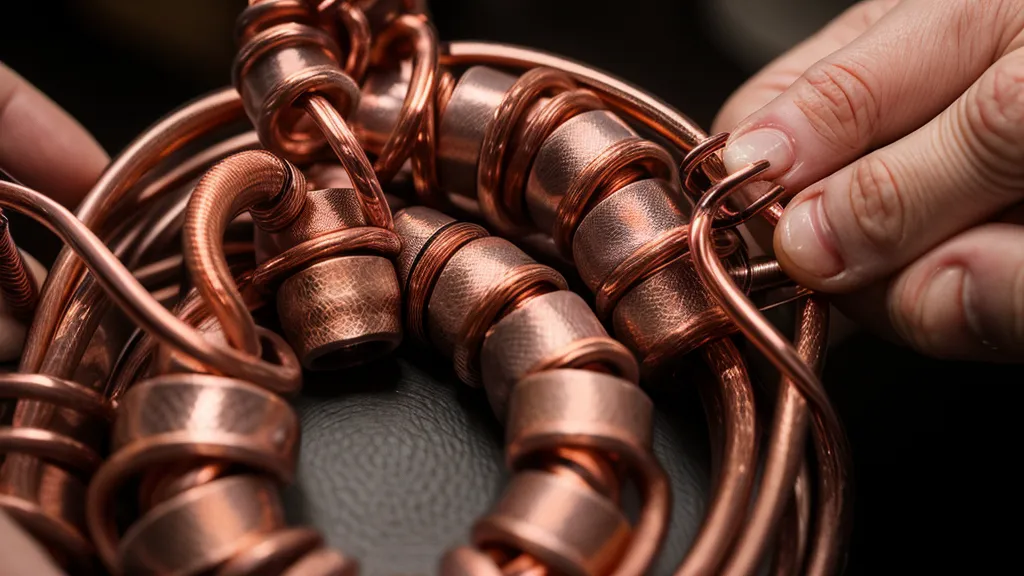
What actually matters in the garage is alignment. The Neodymium magnets in this build are graded N52, and if they sit even a millimeter off-center, output flatlines fast. It is the electrical equivalent of a fiber connector that is almost, but not quite, seated: everything looks fine until you check the signal.
A friend I know from a solar wiring forum, Kwame, out in Glendale, has spent about a year telling me my test logs need duplicate runs and consistent timestamps before I trust any of it, and he is right more often than I would like to admit. We finally met up in person near the South Mountain Park trailhead off 46th Street to swap notes and a spare charge controller, and the numbers above are logged the way he would insist on: same time of day, same load, three runs averaged.
Which Build Guide Actually Delivers?
Hand-calculating flux density is not how I want to spend a weekend, so this build followed the blueprint in the Energy Revolution System instead of guesswork. The instructions read more like a well-documented internal wiki page than a physics textbook. Step by step, with the reasoning behind each step instead of just an assembly diagram, this approach cut the failed-rotor count considerably compared to the version improvised from an old ceiling fan the year before. There is more detail on how that same approach carries over to everyday energy use in How the Energy Revolution System Helps Reduce Home Energy Use, if you want the fuller breakdown.
Sizing the battery bank that actually stores this output is its own calculation entirely. How many amp-hours you need depends on what you are running off it, not on the generator itself. In this case, the full 35-watt trickle now feeds a bank carrying the router, the NAS, and the security hub, covered in more detail in Power Grid Generator for Home Office Use: My IT Server Setup. Direct savings from the generator alone land around five dollars a month at current rates — unglamorous by itself, but it runs the same at 2 a.m. during a dust storm as it does at noon, which is more than solar can claim.
Keeping the Coils From Frying in Phoenix Heat
Nobody in the DIY forums seems to talk about this part: by mid-afternoon in a Phoenix summer, a closed garage is already past 105 degrees before anything even gets switched on. Copper coils do not care for that kind of heat. Resistance climbs as the coils warm up, so amperage output drops for no reason other than the sun being up. It feels like a hardware bug, but it is just physics doing what physics does. A small 12-volt cooling fan seemed like the obvious fix, except it drew enough of the generator's own output that the net gain barely moved anywhere — one of those fixes that looks smart on paper and does almost nothing on the bench.
That heat problem is part of why a smaller secondary build eventually pointed toward the Orgone Motor design. It has a tighter footprint and seems to shed heat a little better without needing a full-size heatsink bolted on, which matters once a garage is already at capacity with pegboard and shelving. The alignment tolerances on that design are even less forgiving than this one, though — enough that a separate post exists on Troubleshooting the Orgone Motor: Why My First Three Builds Failed after learning that the hard way.
A Reader's Undersized Wire Nearly Tripped Her Whole Panel
A reader named Juniper Halloway emailed last year about a 12-volt battery bank that kept tripping her breaker every time she pulled any real load off it. She sent labeled photos of every connection without being asked, terminal by terminal, which made the diagnosis over email considerably faster than it usually goes. The culprit turned out to be the interconnect wire running between her two batteries: undersized for the amperage she was actually pulling, which meant it was heating up and dropping voltage exactly where she needed it least. Think of it like running gigabit traffic over old Cat5 instead of Cat6 — it carries some of the load, but it chokes right when full throughput matters.
Whether you wire multiple batteries or panels in series or parallel changes that math substantially, and it is worth understanding before buying wire by the foot instead of by the gauge chart. Juniper's fix was simple once we found it: a heavier gauge interconnect, and the tripping stopped completely. The lesson stuck on this end too — every interconnect in my own battery bank is now sized one gauge heavier than the calculator says is the bare minimum, pulled straight from the spare-wire bin instead of waiting for a tripped breaker to make the point again.
My Charge Controller Almost Wrecked the Battery Bank
A leftover MPPT charge controller from an earlier solar attempt seemed like the obvious choice to regulate this generator's output into the battery bank — except the battery-type setting stayed on the profile from that old solar project instead of getting matched to the bank actually connected. For close to three weeks, the controller ended every charge cycle early, reading the bank as full when it was nowhere close. The only reason it got caught: the bank never held a charge as long as the math said it should, and a multimeter check showed the resting voltage running consistently low. Rookie mistake, and an expensive lesson in reading a settings menu instead of trusting a default.
PWM and MPPT controllers each carry their own tradeoffs, and that comparison deserves a full write-up of its own rather than a paragraph tacked onto this one. What matters more here: the battery chemistry setting on whichever controller gets used, because a mismatched profile quietly starves a bank no matter how good the hardware underneath it is.
Magnetic Generator or Solar — Which Wins in a Phoenix Summer?
Solar has one obvious edge — it scales a lot easier once the wiring makes sense. It also comes with headaches this generator does not have. On the solar side of the same garage, a string of roof panels got quietly wrecked for weeks by the shadow of a vent pipe crossing one corner of a single panel for about forty minutes every afternoon. Because that string was wired in series, the whole run's output dropped to match the shaded panel instead of losing just that panel's small share of it — a blind spot that cost real output before it finally got traced back to something as small as a pipe's shadow.
Panel tilt angle matters more for solar than most people expect going in, too — get the angle wrong for the season and output suffers before shading ever becomes a factor, which is a whole separate rabbit hole on its own. This magnetic generator does not care about any of that. It does not know if it is 2 a.m. or the middle of a dust storm, and it keeps producing roughly 0.84 kWh a day regardless of what the sky is doing. That consistency, more than the raw wattage number, is the real argument for building one.
What Happens When You Overload the Inverter?
Short answer: it shuts itself off, and with any luck that is all that happens. This came up running a chest freezer compressor off the battery bank during a test — the startup surge on that motor spiked well past what the inverter was rated to handle continuously, and the unit tripped its thermal protection and cut power mid-cycle. Nothing got damaged, but the freezer sat without power longer than ideal before the fault light on the inverter got noticed.
Continuous wattage rating and surge rating are two different numbers, and any motor-driven load — compressors, pumps, anything with a hard start — needs headroom well past its running wattage or it will trip the same way this one did. Whether a setup uses a pure sine or a modified sine inverter changes which electronics tolerate that kind of load gracefully, and that alone is worth researching before wiring anything permanent into a chest freezer or similar appliance.
Deciding Where to Start Your Own Build
Before buying a single magnet, it is worth mapping where a home actually loses energy in the first place — a proper home energy audit answers honestly whether a 35-watt trickle charger is even the right tool for the situation, or whether sealing a duct or swapping a couple of light fixtures would do more good for less effort. Not every household needs a spinning rotor in the garage to make a dent in a summer bill.
If building one still sounds worth trying, start with documentation instead of guessing the way this build did the first time around. The Energy Revolution System remains the most complete blueprint of the three tested here, mostly because it explains the reasoning behind each step instead of just handing over a diagram. For a tighter garage or shed, the Orgone Motor trades some raw output for a smaller footprint and slightly better heat tolerance, which matters more than expected once summer actually hits. And if budget is the real constraint right now, the Power Grid Generator is a reasonable entry point that does not demand as much upfront spending on magnets before knowing whether the hobby sticks.
None of this comes with a guarantee of savings — results depend heavily on how well a rotor gets balanced, how good the magnets are, and how much patience there is for redoing a coil wound wrong the first time. Building power hardware instead of buying a finished unit follows the same logic as building a PC instead of buying prebuilt: the time and the mistakes are the price of actually understanding the system, not just owning it. The real payoff, past the multimeter readings, is that the router, the NAS, and the security hub in the networking closet now run on electrons made in-house, and that kind of independence matters more than the exact number on the savings line.
If one thing is worth taking away from all of this, make it the wiring gauge, not the magnets. Every failure story above — Juniper's tripped breaker, the mismatched charge controller, the shaded string, the overloaded inverter — traces back to a connection that was undersized, misconfigured, or wired wrong for the load it carried, not a bad idea at the core. Get the wiring and the settings right first, and the rest is just patience with a soldering iron.