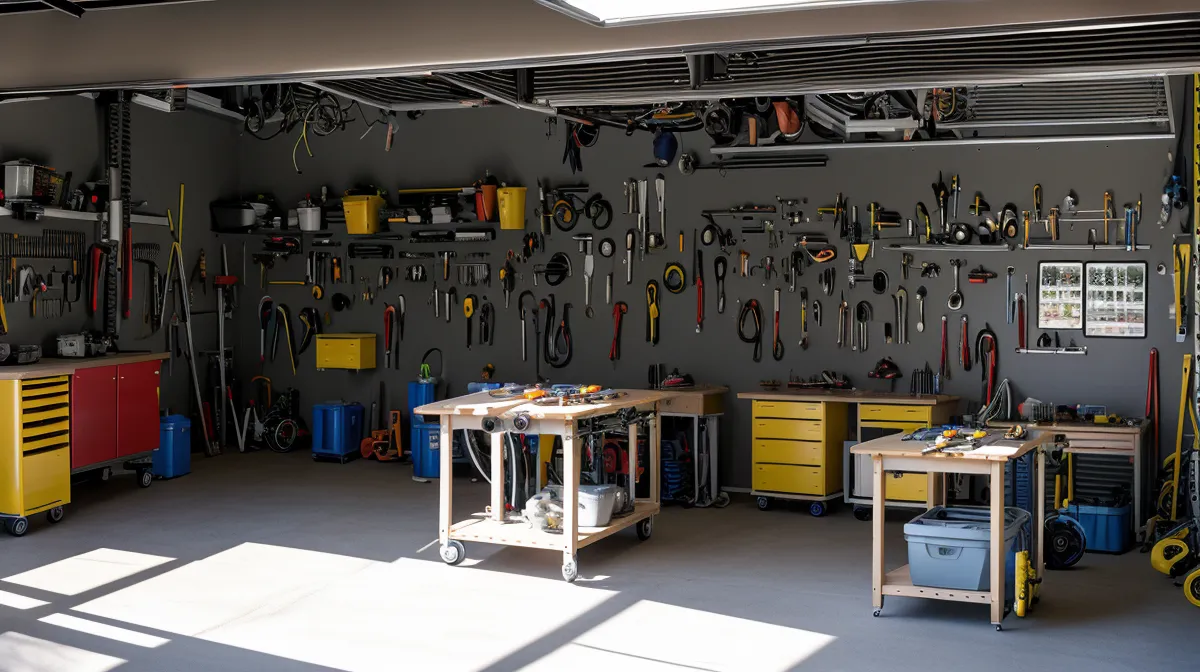
A rooftop solar array gets you a stern letter from the HOA before the sun even sets; an Orgone motor sitting on a workbench gets you nothing but curious looks from whoever wanders into the garage. That contrast is the real reason I added an Orgone motor to my DIY energy setup instead of just scaling up the solar panels I already had running. I'm not chasing full off-grid living here. My HOA would have opinions about that long before I got close, but I wanted a shot at real energy independence for the small stuff: the office rig, the shed lights, anything that doesn't need to touch the main breaker panel at all.
Full disclosure before we get into it: some of the links below are affiliate links, and I earn a commission if you buy through them at no extra cost to you. I only recommend builds and guides I've actually put together myself, and I'll tell you flat out where they came up short.
Why Add an Orgone Motor When Solar Already Works?
Solar panels solved the daytime load problem, but they came with a visibility tax. Anything mounted on the roof or staked in the yard has to clear an aesthetic review here, and once Phoenix summer highs start pushing past 106 degrees Fahrenheit, the AC runs close to nonstop and every visible watt of generation becomes a target for a complaint letter. An Orgone motor sits entirely indoors. No roof penetrations, no glass panels catching the sun at an angle the HOA doesn't like, nothing a drive-by inspection would even notice.
A neighbor of mine spends his weekends off-roading a Polaris RZR through the Tonto National Forest; I spend mine soldering coils and chasing bad connections. Different outlet for the same restlessness: building or breaking something with your own hands instead of just paying someone else to do it for you.
Does It Actually Generate Usable Power?
Here's where I have to be straight with you: no, not in any way that shows up on a utility bill. The concept traces back to Wilhelm Reich's decades-old theories about environmental energy, which most physicists dismissed outright, and my own IT-trained skepticism agreed with them going in. Voltage is basically bandwidth for electrons in my head. If the packets don't arrive, you've got a handshake problem, not a philosophy problem.
The clearest measurement I have came from a Saturday when my Kill-A-Watt meter was already clipped onto the office circuit for something unrelated. It settled at a steady 340 watts, the whole workstation coasting on solar I'd banked into the battery bank the day before, with the grid contributing exactly nothing to that number. That's the baseline I hold the Orgone motor against, and it hasn't nudged that reading even slightly on its own. If you're chasing a claimed output number instead of a measured one, sit with that distinction before you spend a weekend on this.
What it does seem to do is trickle a small, inconsistent draw into a battery bank that's already being charged by something real. I treat that number the same way I treat a device's running watts versus its surge watts on a spec sheet: worth knowing, not worth building a budget around.
Building the Motor: What the Assembly Actually Involves
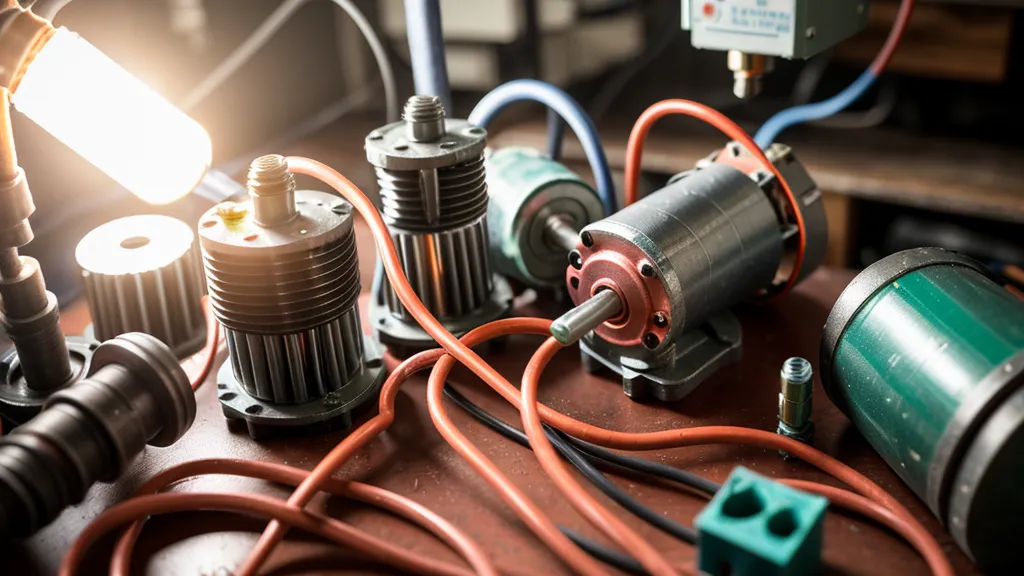
The build itself is low-tech but fussy. You're layering organic and inorganic materials around a lightweight rotor, and the housing tolerances matter more than the theory does. I used standard 0.75-inch PVC for mine because it's cheap and forgiving to modify, and 22 AWG copper wire for the coils: thin enough to get a decent turn count in a small housing, thick enough not to snap while you're winding it by hand. Wire gauge matters here the same way it matters on a solar run to a battery bank: too thin over any real distance and you start losing output to resistance before it ever reaches the load.
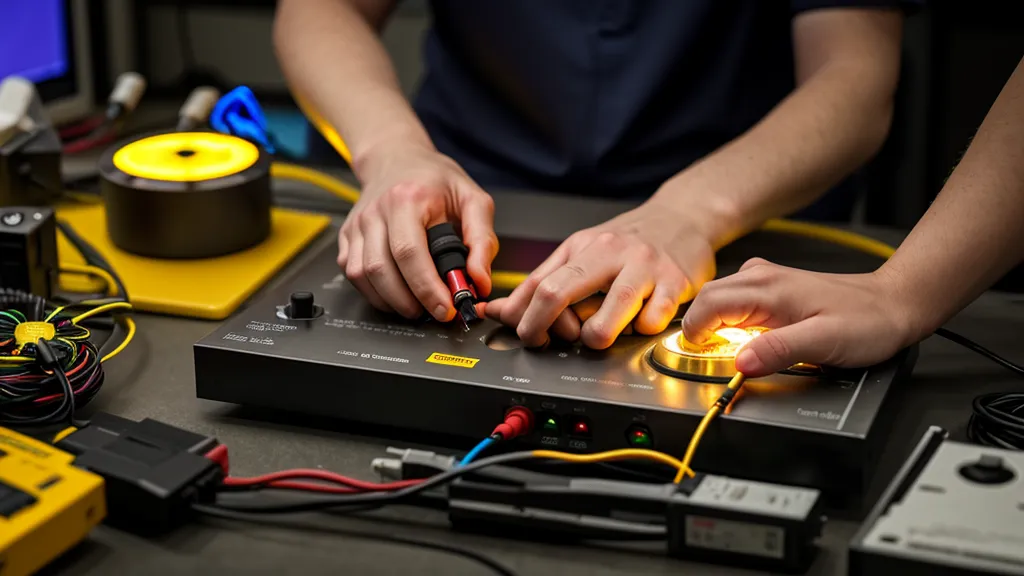
Testing it is where the multimeter earns its keep. Touch a probe to a live terminal and the meter chirps three quick times in a row before the reading locks in place on the display. That little confirmation habit has saved me from chasing a phantom fault more than once. It's the same instinct I use when I'm checking a panel's actual voltage against its rated output instead of trusting the spec sheet on faith.
What Didn't Work Before I Touched Hardware
Before any of this hardware came out, I tried the free fix. I locked the Honeywell thermostat into a strict schedule to shave load during peak afternoon hours, figuring behavior change would beat any gadget. That lasted three days before the household revolted. Nobody wants to walk into a warm house at five in the July heat, and I reverted the schedule by the weekend. That failure is what pushed me toward hardware experiments instead of fighting my own family over the thermostat app.
Where the Orgone Motor Fits in a Real Energy Setup
If you picked up the Energy Revolution System blueprint before any of this, you already have the actual load-bearing part of the setup: a step-by-step, video-supported build using parts from a regular hardware store, no technical background required, and a 60-day ClickBank guarantee if it doesn't work out for your situation. The Orgone motor project sits on top of that as the weird side experiment, not a replacement for it.
Right now, this motor is a supplement, not a strategy. It's a proof of concept that trickles a little extra into the battery bank that already runs my home office setup, and I wouldn't size a real energy independence plan around it. If you want a lower-cost entry point into the same idea and you're tight on space, the Orgone Motor digital guide is a reasonable starting point. It's a digital, build-it-yourself guide rather than a physical kit, backed by a 60-day money-back guarantee, though it comes from a smaller, less established name than some of the alternatives out there.
Battery bank sizing is the part people skip and shouldn't. How many amp-hours you actually need depends on what you're running and for how long, not on how many gadgets you can bolt onto the wall. Anything like an Orgone motor should be treated as a bonus trickle source, not a line item in that sizing math.
Before you build anything at all, it's worth mapping where your actual energy leaks are in the house. A proper home energy audit tends to surface bigger, cheaper wins than any single generation gadget will.
The Honest Verdict on Adding One to Your Own Garage
Would I tell a coworker to build one instead of adding panels? No. Would I tell them it was a wasted weekend? Also no. The value here is closer to a hobby than a power strategy. You learn to read a multimeter properly, you get comfortable with soldering and coil-winding, and every so often you end up with a motor spinning on your workbench that genuinely surprises you, even if it never shows up as a line item on the utility bill.
One more thing worth saying plainly: I don't have formal electrical engineering training, and none of this should be read as a substitute for that. If you're working anywhere near your main panel or building anything that touches higher voltage, bring in a licensed electrician before you start cutting into walls or wiring. A blown fuse in a hobby project is annoying; a mistake at the panel is dangerous.
If you're tired of watching the bill climb every July and want to run your own experiments instead of just complaining about it, start with something that actually moves the needle, the Energy Revolution System, and treat a smaller build like the Orgone motor as the fun side project once the real system is already carrying its weight.