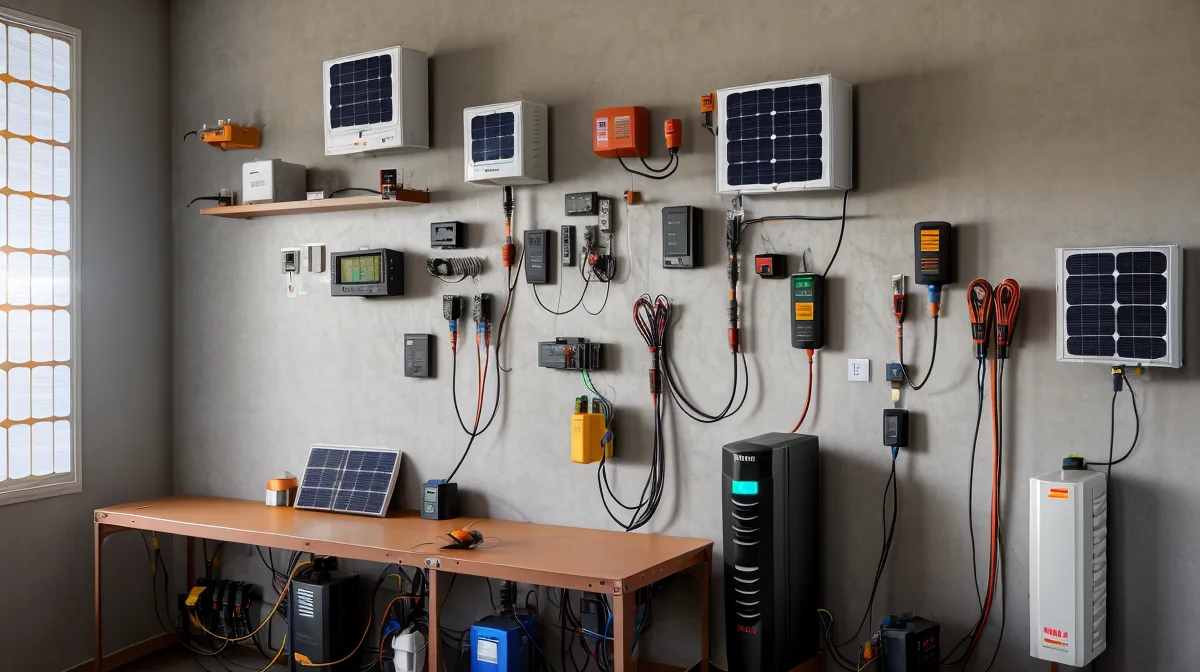
My laptop screen stutters, flickers, then dies mid-render. No explosion, no dramatic pop, just a thin electronic beep and then silence as the load kicks back over to the grid. That beep means my inverter gave up before the afternoon did, and if you've spent any real time troubleshooting a DIY solar power system built for off-grid maintenance in Phoenix-level heat, you already know the sound. Thermal management is the part nobody budgets time for — everyone obsesses over panel wattage and battery capacity, then treats the inverter like it'll just work, the same way IT people ignore a server closet until the AC unit dies and the whole rack throttles itself into uselessness.
Ambient temperature is the variable most people underestimate. You spend weeks comparing the best inverter you can justify and finally get the whole rig humming — then August happens. Phoenix averages around 105 degrees outside in August, and an uninsulated garage runs well past that number on the inside. Troubleshooting a system in that kind of heat is closer to chasing a server rack with a clogged intake than anything electrical: the dashboard looks fine right up until thermal throttling quietly eats your output.
More Airflow Doesn't Always Fix Thermal Management Problems
Here's the assumption almost every DIY guide repeats without checking it: if an inverter is overheating, point more air at it. I tried exactly that. A pair of high-CFM industrial fans, aimed straight at the chassis, seemed like the obvious fix — and the over-temp errors got worse, not better.
The explanation turned out to be fluid dynamics, not more power. Inverters are engineered with a specific internal airflow path that pulls air across the heat sinks and out through the exhaust in one direction. Blasting the exterior with external fans breaks that path instead of helping it, forcing hot ambient air onto capacitors that were supposed to stay shielded inside a controlled current. It's the same mistake as trying to cool a car radiator with a leaf blower aimed at the side panel instead of through the grille. You get turbulence, not cooling, and the heat stays trapped inside the housing.
Voltage Sags Long Before the Inverter Admits It's Struggling
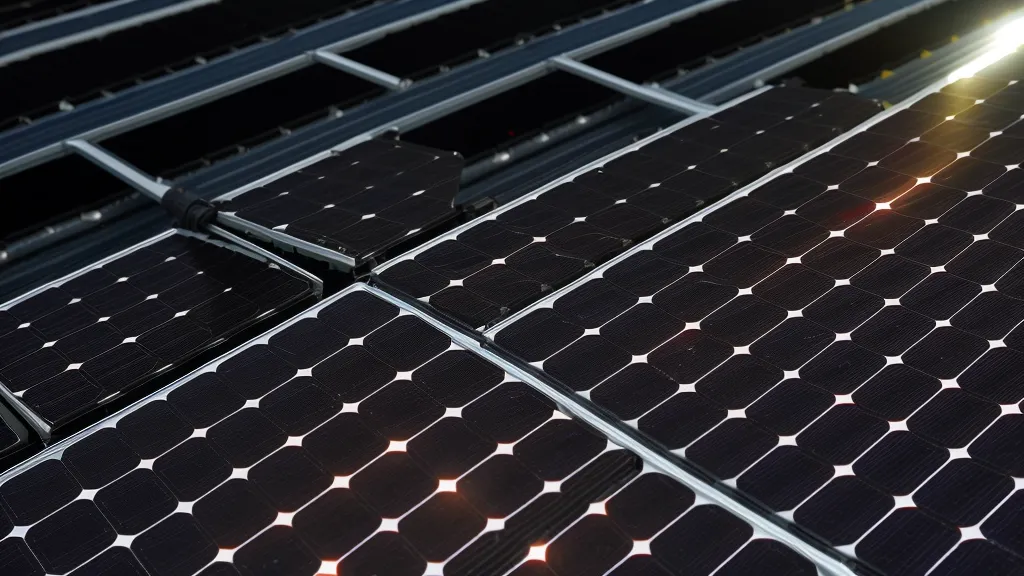
Panels are rated under Standard Test Conditions, measured at a mild 25 degrees Celsius, a number that exists nowhere near a rooftop in a Phoenix summer. Monocrystalline silicon loses roughly three-tenths of a percent of voltage for every degree Celsius above that baseline, and when a roof-mounted panel hits somewhere around 150 degrees Fahrenheit, the drop is large enough that the inverter has to work noticeably harder just to boost that weaker input up to a clean 120V AC output.
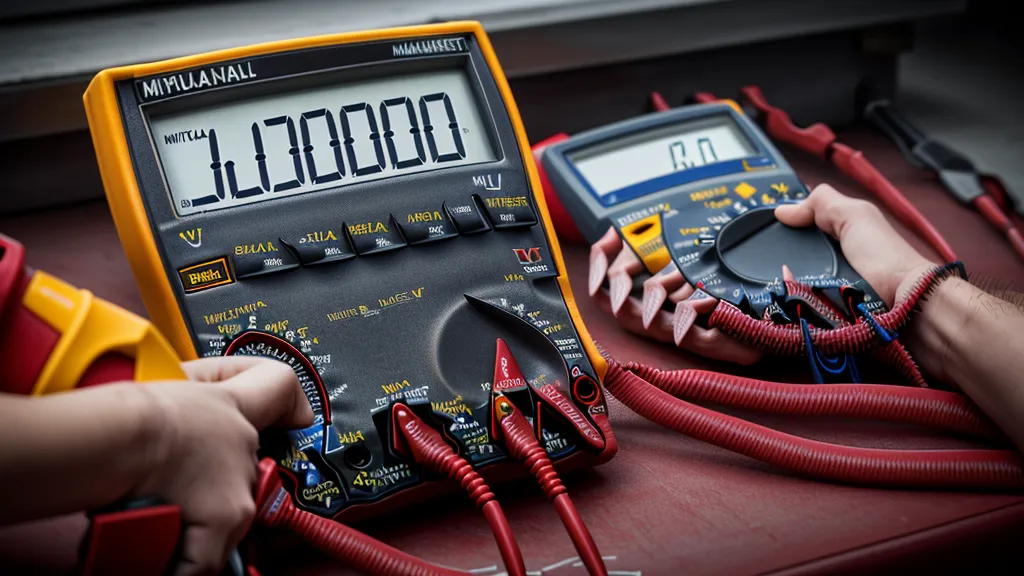
That extra work is what generates the internal heat that trips derating. Most units start limiting output once the internal ambient temperature crosses roughly 45 degrees Celsius, which protects the capacitors the same way a CPU throttles itself during a heavy render instead of cooking. None of this shows up as a fault code that says "your panels are hot"; it just looks like weak output, which is why checking Voc and Vmp with a multimeter before blaming the inverter saves a lot of guessing. A charge controller that can't keep pace matters here too (MPPT versus PWM is its own long conversation), and so does the gap between a refrigerator's running watts and the surge it pulls when the compressor kicks back on — that gap is often what tips a struggling system over the edge on the hottest afternoons.
The Cable Bundle and Shelf Clearance Problem
Tightly bundled 4/0 cables looked like good work right up until they choked the intake fans at the bottom of my unit. This proved that neat wiring and functional wiring aren't always the same thing. Wire gauge sized wrong for the run length will bleed voltage on its own before heat ever becomes a factor, so it's worth checking that separately, but a physically blocked intake is a different problem entirely, and a much simpler one to fix once you go looking for it.
Clearance is the other quiet offender, and it has nothing to do with wiring. Manufacturers spec roughly six inches on all sides for a reason: skip that gap anywhere around the unit and passive convection can't move hot air out on its own, so it pools right where the unit most needs to shed it. When the fans finally spin up to their maximum RPM trying to compensate, that's usually the internal sensor flagging a heat bubble it has no way to clear by itself.
Fixing the Room Solved What Fixing the Unit Could Not
The actual fix wasn't more airflow at the unit; it was ventilation for the room around it. An exhaust fan in the garage gable pulls the hottest ceiling air out, and mounting the inverter on one-inch spacer blocks lets air move freely behind the backplate, which functions as a heat sink once it isn't flush against the wall. My neighbor Rosario, two doors down, asked the practical version of this before I'd even framed it myself: was any of this worth the effort compared to just running the AC unit harder and eating the bill?
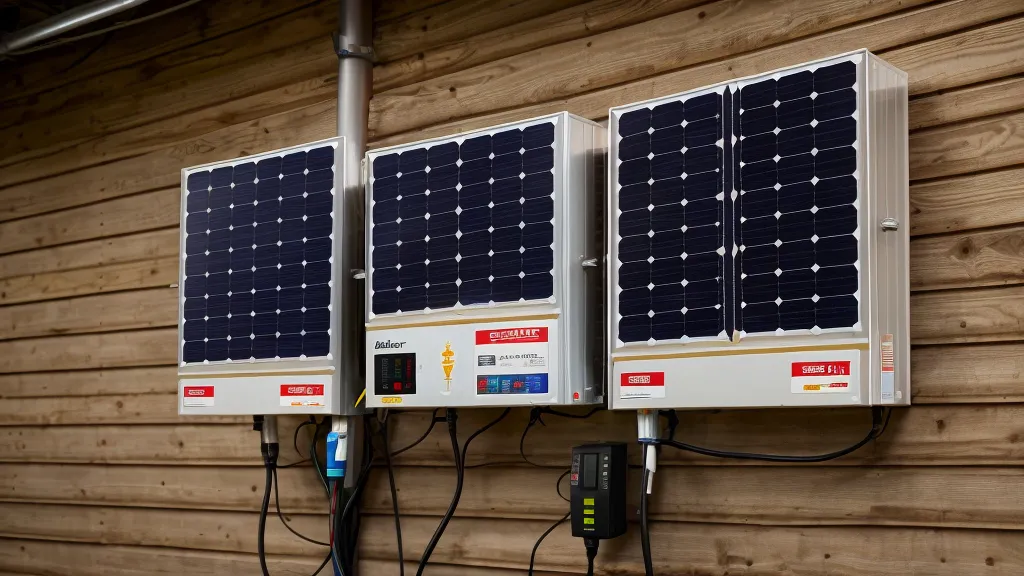
Since making that change, the monitoring app has started sending the kind of notification I actually like reading. Generation runs ahead of what the house is pulling, instead of trailing behind it, and the afternoon shutdowns simply stopped showing up.
Where This Fits Into the Rest of the Off-Grid System
None of this exists in isolation. Whether your panels are wired in series or parallel changes the voltage the inverter sees before heat is even a factor, and whether you chose a pure sine or modified sine unit changes how gracefully it tolerates that kind of stress in the first place. An undersized battery bank makes an inverter work harder regardless of ambient temperature, panel tilt angle shifts how hot the array itself runs at midday, and if you haven't done a real home energy audit yet, that's a better use of a weekend than another round of inverter troubleshooting. Once the inverter side is stable, backfeed and transfer switch wiring is the next place worth being careful and slow rather than fast.
A fellow maker-space regular, Obinna, won't touch a new component until he's read the full datasheet front to back, which is a healthier habit than the one that got me a bag of mismatched ferrite blocks after ordering a "perpetual magnetic generator kit" off an eBay listing whose photos looked far more convincing than the contents. Claimed output and measured output rarely match — not for that generator kit, and not always for an inverter's advertised continuous wattage under real load either.
Heat is the variable that wins if you don't respect it. If your system drops out every afternoon, stop staring at the software settings and start checking air gaps, cable routing, and the thermometer instead. Anyone still mapping out a build might find The Energy Revolution System Transition: My Weekend Project Plan useful for planning around thermal management from the start, and the battery side of a hot garage has its own separate failure modes — Keeping Your DIY Solar Battery Bank Cool in a Hot Garage covers that half of it. None of this replaces a licensed electrician for anything involving your main panel or new wiring runs through walls; a multimeter and curiosity only go so far, and code exists for good reasons.