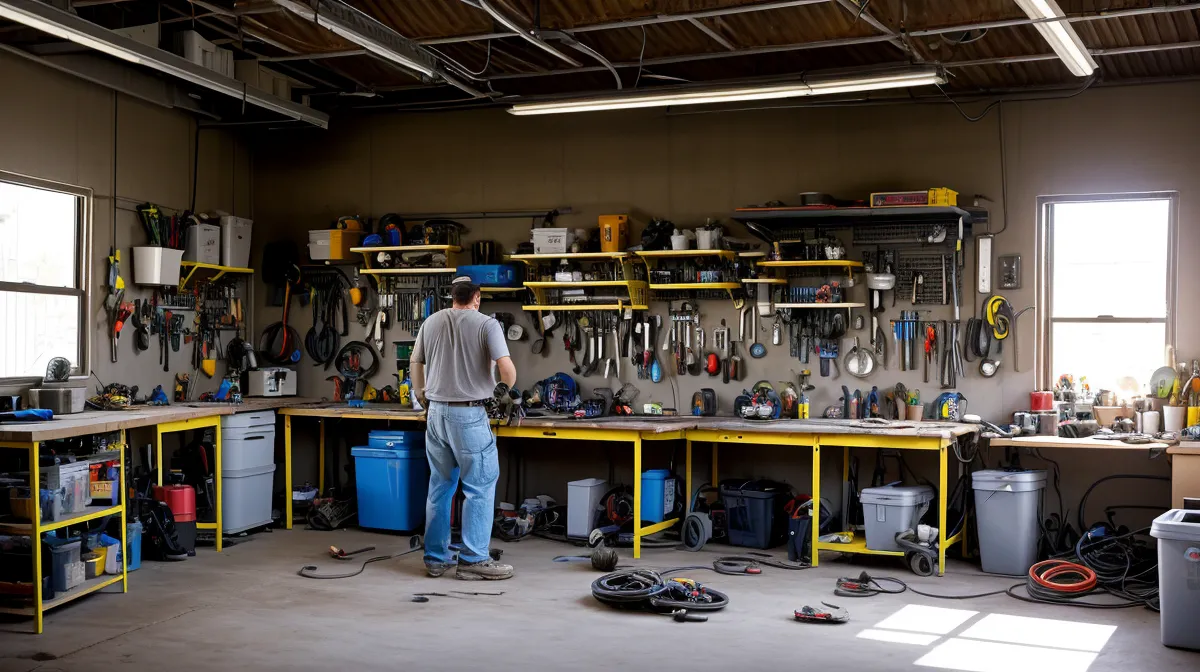
Every installer quote I collected landed in the five-figure range, even while the headlines swore that solar panel prices were crashing. So I stopped waiting and built a small DIY solar setup of my own, one piece of home electronics at a time. It has not delivered full energy independence or anything close to off-grid living, but it did move a $380 summer bill, and the questions below are the ones people ask me most.
Quick heads-up: this site uses affiliate links, so if you buy through one I earn a commission at no extra cost to you. I write about gear I've actually put on my bench, and I say so when something is still an experiment. I'm an IT guy who likes to tinker, not an electrician or an engineer, so talk to a licensed professional before you touch your home's main panel.
Will DIY Solar Beat Waiting for Prices to Drop?
Short answer: for me, waiting cost more than building did. The trend line for photovoltaics points down, and I believe it. My quotes just never followed it, because labor, permitting, and "proprietary" mounting hardware didn't get cheaper along with the silicon. IT people know this pattern — the hardware gets cheaper while the managed-services fee stays put.
Payback math on a professional install at current utility rates landed somewhere past my retirement. On weekend hikes at Dreamy Draw Recreation Area in north Phoenix, I look at the rooftops with panels and wonder how many owners ran the same numbers and shrugged. Waiting for the market to fix this is like waiting for your ISP to upgrade your street: it happens on their schedule, not yours.
A Cart Beats a Roof Mount When You Rent
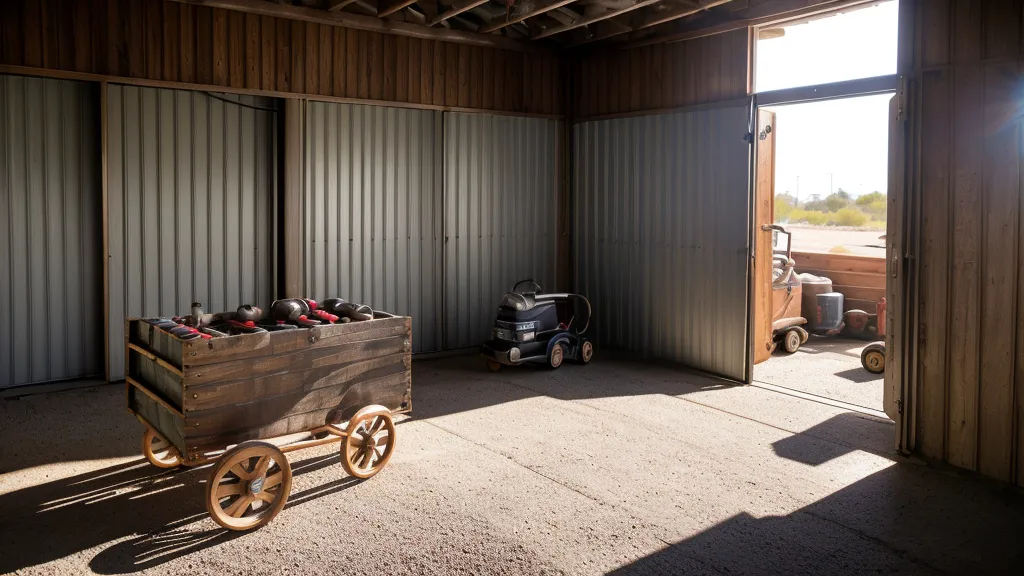
Most DIY solar advice starts with bolting racks to a roof, which is useless if the roof belongs to someone else. A lot of leases rule out permanent changes, and I can't speak to yours, so read it before you buy anything. My own fix was to build everything modular and on wheels. If it rolls, it's furniture instead of a fixture.
That same cart can sit on a balcony or a garage floor, and it leaves with you when the lease ends. It also keeps life simple if a landlord or an HOA has opinions about where equipment goes.
Start With a 12-Volt Bank, Then Grow It
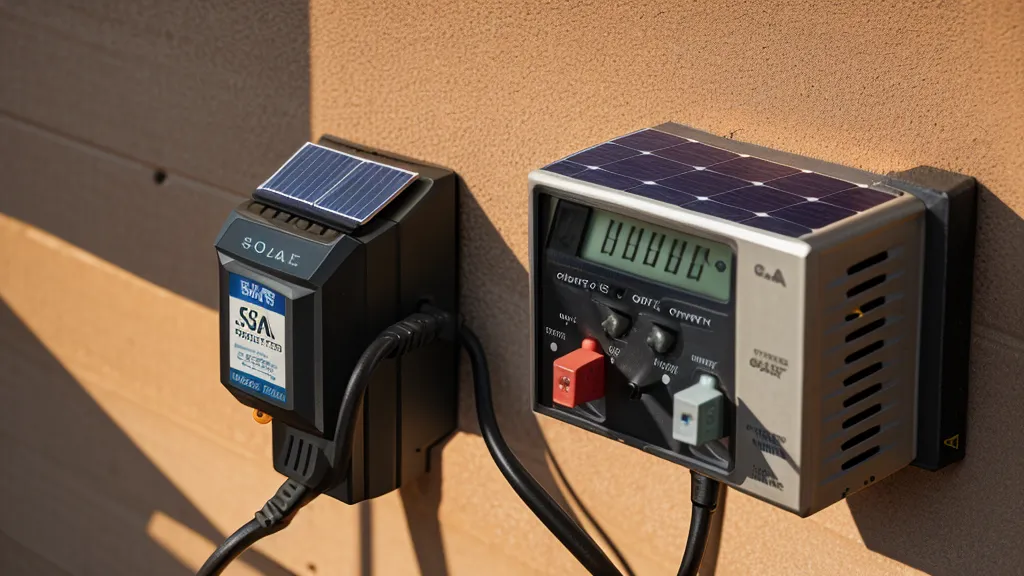
Voltage works a lot like bandwidth. Give your gear too little pipe and it runs badly, no matter what's on the other end. I began with a 12-volt system because the nominal voltage of a standard lead-acid battery is 12, which makes it the Ethernet of DIY storage: universal and forgiving.
Phoenix gets about 6.5 peak sun hours a day, so plenty of packets arrive at the panel. Heat is the bottleneck. Panels lose roughly 0.5% efficiency for every degree Celsius above 25, so a July roof throttles like a laptop CPU in a hot car. With the garage door up that month, the air drifting in smells like hot blacktop and somebody else's oil change, and the panels feel it as much as I do.
For the actual build steps I leaned on a video blueprint, the Energy Revolution System. If I could troubleshoot a server rack and map out a VLAN, I figured I could follow a walkthrough for a battery bank. It's digital only with no physical kit, so some parts came from the hardware store and a few had to be ordered online, and your results will depend on your own execution and local conditions.
What Actually Failed in My Garage?
The cheapest failure came first: three "power saver" outlet plugs that promised big savings. I put a plug-in watt meter on the same load with and without each one. The meter showed exactly zero difference. Any gadget that claims to cut your bill deserves that same test, and if the number doesn't move, it goes back in the box.
Louder than that was a wiring mistake. I connected the inverter to the battery bank with leftover wire that was far too thin for the load. Within seconds the insulation bubbled and smoke filled the garage, and I had to yank the terminals. Picture pushing a 10Gbps link through a Cat3 phone cord: the cable loses. Wire sizing gets its own article on this site; the short version is that thin wire under load is a fire, not a slowdown.
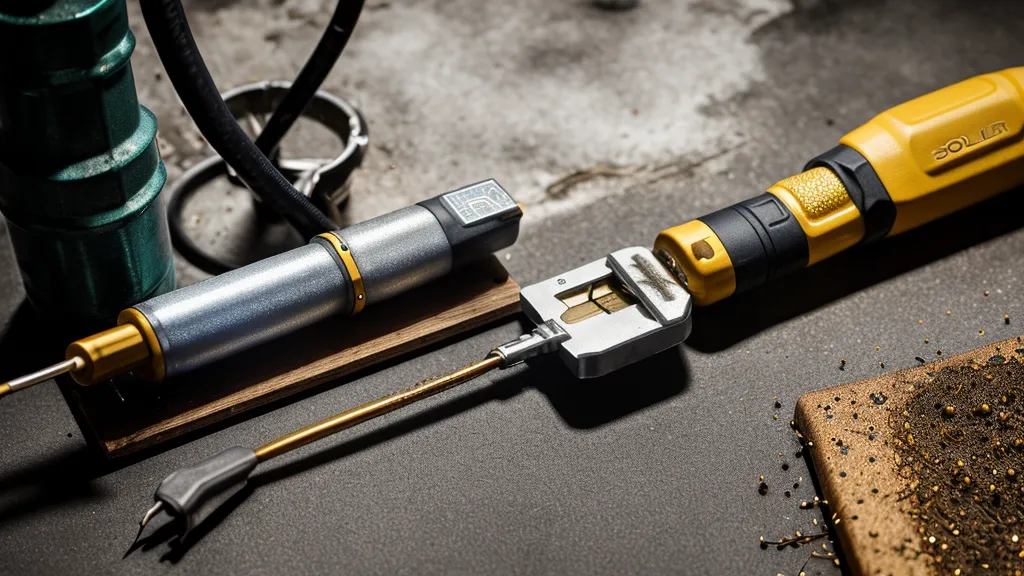
My wife walked in as the smoke cleared, took in the scorched insulation and the look on my face, and asked whether the house was still insured. Then she walked back out. Fair question. DIY energy isn't about being reckless; it's about learning your hardware's limits, and I've since spent plenty of time on how to wire 12v batteries in parallel for more storage without creating a fire hazard.
The Freezer Test
After the smoke, I stopped with the tangle of loose wires and mounted everything on a mobile cart. I used the Energy Revolution System blueprints to build out sturdier storage, the kind that could handle the startup surge of a small refrigerator or my home office gear.
The first real test was small: garage lights and a soldering station running off the battery bank instead of the grid. Right before I flipped the switch, I noticed the multimeter was on the resistance setting. On a live circuit that's a great way to turn a good meter into a paperweight. I fixed it, took a breath, and tried again. The reading held steady and the lights never flickered.
Before sunrise one morning, the chest freezer's compressor kicked on while I stood in the garage, and the only thing feeding it was the bank, charged by the day before. Nothing dramatic happened. That was the point.
For cloudy stretches I've also been testing the Power Grid Generator as a backup. It's a different beast, built on Tesla-inspired resonance ideas from a newer vendor with a smaller user base, so I treat its claims like any spec sheet and measure at the outlet before believing. If you're curious how it pairs with panels, I wrote some tips for charging your Power Grid Generator using DIY solar panels that might save you a few headaches.
How Much Did the Bill Really Change?
Modestly, and I'd rather say that than oversell it. The build cost me a few hundred bucks in parts plus a lot of sweat equity. In July my bill stayed in the low $300s instead of hitting $380. That's the kind of optimization an admin brags about only to other admins, and your house will behave differently than mine. What changed more was my role: I went from passive consumer to admin of my own power.
A walk through where the house leaks power should come before any panel purchase, and that has its own write-up on this site. One battery rule I follow every time: never drain a standard deep-cycle battery below half. Do it often and you cut its MTBF (mean time between failures) short, the same way an over-provisioned server outlasts one run flat out.
Next on my list is an Orgone Motor for some experimental overnight trickle charging. It's a compact build with an illustrated assembly guide, but the vendor is less well known and community support is thin compared with solar DIY. Until my meter says otherwise, it stays in the science-experiment column, which is exactly where my wife files it.
Energy Independence Starts With One Small Load
A buddy of mine restores a 1972 Chevy C10 in his driveway, and he never tackles the whole truck at once. He fixes one system, test-drives it, and only then touches the next. Solar works the same way. Skip the wait for a perfect price, pick one small load, and run it off your own battery.
If you want a starting point without the guesswork, the Energy Revolution System is the closest thing to a read-me file for home power that I've found. It carries a 60-day money-back guarantee through ClickBank, but it's still a blueprint, and what you get out of it depends on how carefully you build.
Don't let a few scorched wires keep you in the dark. Grab your multimeter, check its setting twice before the probes touch anything live, and start small.