The charge light on my portable power station doesn't flicker anymore when a cloud rolls past. That one detail took me most of a DIY solar setup, a stack of returned MC4 connectors, and one very memorable spark to get right. I'm an IT support tech, not an electrician, and the whole project started because my summer electric bill kept landing around $380 no matter what I tried. Once I got past the wiring mistakes, off-grid charging a power grid generator turned out to be less about buying the right box and more about solar wiring tips nobody puts in the manual — mostly which corners are safe to cut and which ones will cost you a generator.
Why My DIY Solar Setup Skips a Separate Charge Controller
Before I touched a single panel, I called two installers to see what a fully installed system would cost for just my desktop and the garage AC. Both quotes were high enough that the payback period stretched out longer than I wanted to think about, so I built my own photovoltaic system instead, one panel and one mistake at a time.
Early on, I ran every watt through a separate charge controller between the panels and the generator, on the theory that more hardware meant more safety. It didn't. The two pieces of logic fought each other — my controller hunting for a set point while the generator's own regulation hunted for a different one — and the electric current coming in would stutter for no reason I could pin down with a multimeter. Whether you go with a PWM or an MPPT controller on a small setup is its own decision with real trade-offs, but once I pulled the extra controller out and fed the panels straight into the generator's DC input, the stutter stopped and never came back.
Matching Panel Voltage
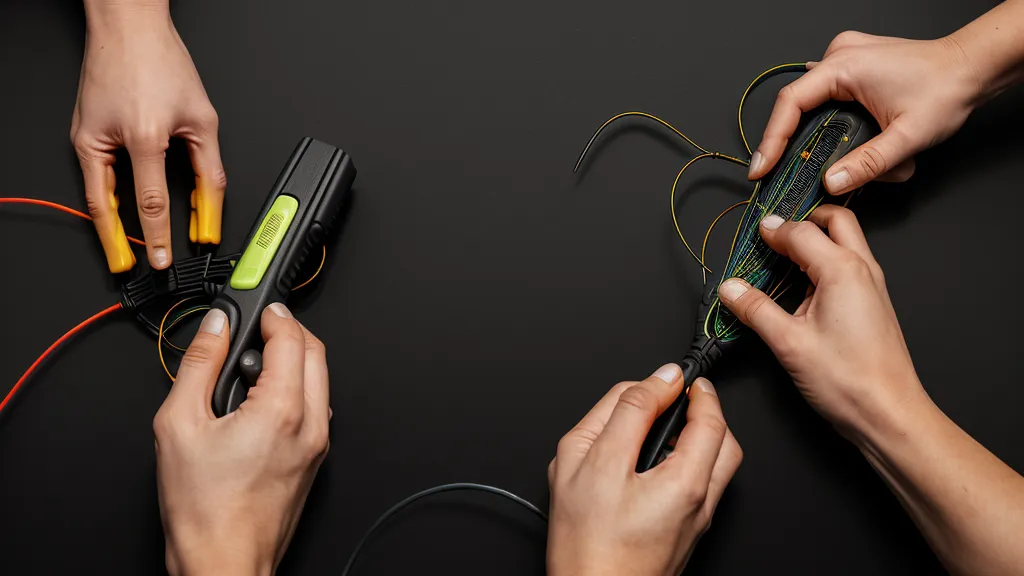
Mixed-brand panels were my next problem. I wired two different models in series without checking that their voltage and current numbers actually matched, and the whole string dropped to whatever the weaker panel could produce — the same way one slow device on a network switch can drag down everyone else's throughput. Whether you wire an array in series or in parallel changes how forgiving that kind of mismatch is, and it's worth understanding before you commit to a layout.
Wire gauge matters too. I used what I had on the shelf rather than running the math up front, checked that it wasn't getting warm under load, and adjusted from there — not exactly rigorous, but it's the same troubleshooting-by-elimination process I use at my day job. I've written before about comparing the energy revolution system to standard solar panel kits, and the tradeoff always comes down to this kind of hands-on matching work that a pre-made kit hides from you.
The Voltage Spike That Nearly Cost Me a Generator
Cold mornings turned out to be more dangerous than hot afternoons, which caught me off guard — panels put out more voltage when they're cold, not less. I watched the open-circuit reading climb uncomfortably close to what the generator's input could handle, and while I was rushing to reconfigure the array before the sun got higher, a stray lead brushed the generator's metal housing. There was a spark, a small pop, and a smell that's now permanently filed under "expensive mistake" in my head.
Nothing fried that day. It was close enough that I'm not an electrician, and I'll say plainly that anyone building something similar should talk to a licensed one before wiring at this voltage. I check the open-circuit reading before I connect anything now, every single time — the few minutes it costs me is nothing next to a fried input.

Keeping the System Alive Through a Phoenix Summer
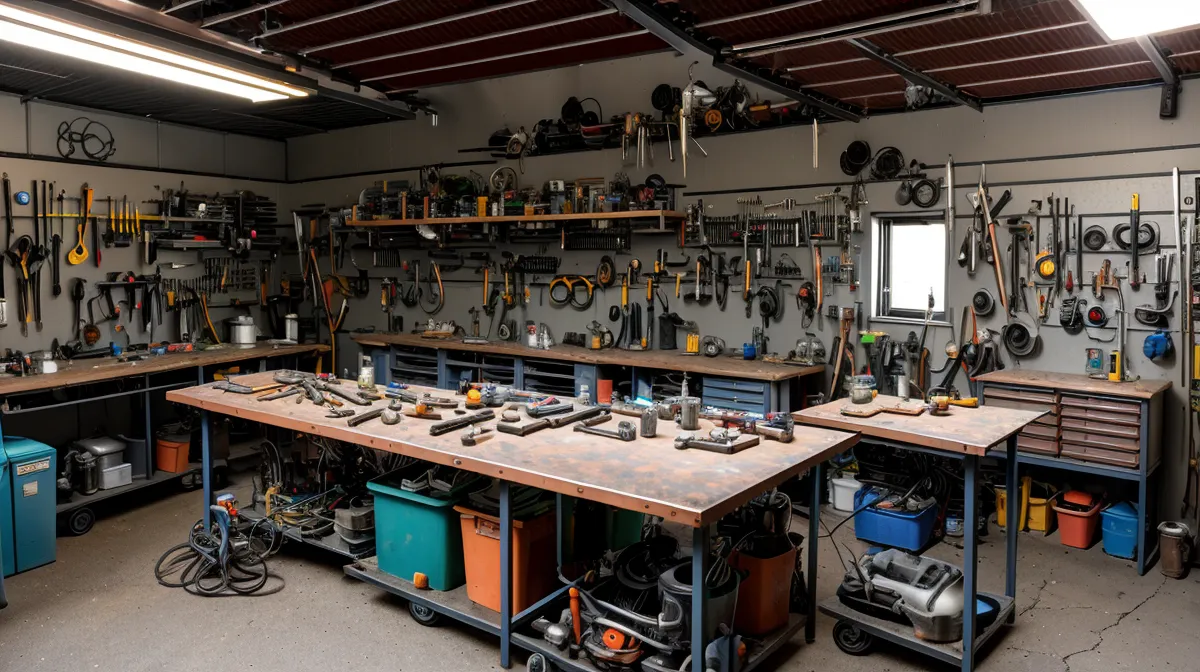
With the garage door up, the mix of hot asphalt and motor oil drifting in off the driveway is usually the first sign that the real heat has arrived, and that's when the whole setup starts working harder than any spec sheet suggests it should. A coworker named Vince lent me his clamp meter after he overheard me complaining about that bill, and he's been questioning my methodology ever since — one hot July, he points out, is not a sample size.
He's not entirely wrong. Batteries lose capacity faster in extreme heat, which is a deeper topic than I want to get into here, but it's part of why I don't push my array to feed the generator at its absolute maximum on the worst days. I've also gone deep into troubleshooting common DIY solar inverter problems in high heat separately, because most of what goes wrong in summer traces back to airflow. Tariq, a guy I met at a home expo who spent years as an HVAC technician before going the DIY energy route himself, is the one who convinced me that airflow around the generator matters as much as anything electrical — he checks mine every time he's over, out of habit more than anything.
Between the two of them I get plenty of pushback on every number I report, which is probably healthy. I also lean on the generator for charging cordless tool batteries safely with the power grid generator between projects, so the heat management isn't just theoretical — it's running something almost every day.
What Five Weeks of Testing Actually Taught Me
By the fifth week of feeding the generator straight from the panels, I'd mostly stopped checking the input log every morning. My wife noticed before I did — she walked into the garage with her phone open to the utility account and asked why the number on the screen looked smaller than she remembered. That's a better verification method than anything on my workbench, because $380 is a figure she pays as much attention to as I do.
If there's one thing I'd tell someone starting this same project, it's to skip buying redundant hardware before you understand what your generator already handles on its own. I bought a controller I didn't need, second-guessed wiring that was already fine, and lost more time to caution than to actual mistakes. Watch your numbers for a few weeks before you add anything, and only add hardware once you can point to a specific problem it actually solves.