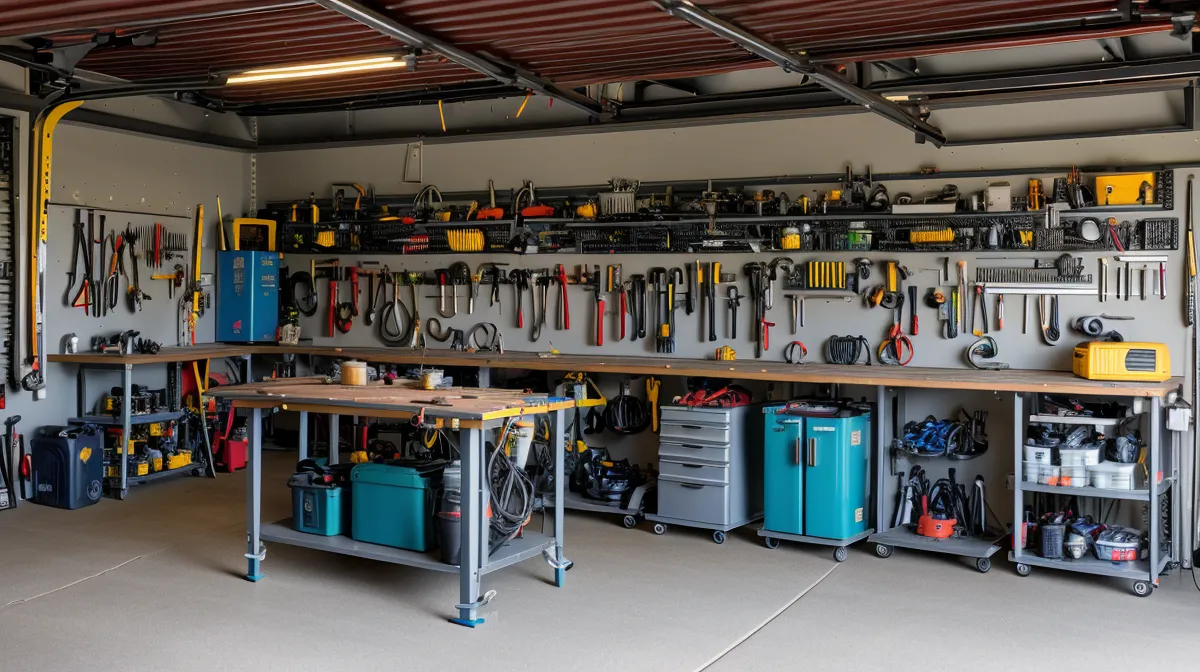
The alligator clip on my multimeter slides off the battery terminal again, and the drill pack blinking red on my bench looks like it's mocking me. Two more 18V packs sit dead beside it, waiting on the isolated off-grid charging setup I built around a small Tesla-inspired power generator instead of the wall outlet. Quick housekeeping before we get further into this: this site runs on affiliate links, so if you click through and buy something, I earn a small commission at no extra cost to you. I only write about gear that's actually sat on my own workbench doing tool maintenance duty. None of this started as an environmental crusade, by the way. My electric bill hit $380 for the third summer running, and I got tired of watching the meter spin every time a charger fed off standard house current.
By training I'm an IT support tech, not an electrician, so I think about voltage the way I think about bandwidth. It either flows cleanly, or it gets tangled in network topology problems nobody bothered to diagnose. Two years into obsessing over this stuff in my garage, off-grid tool battery charging became the specific itch I wanted to scratch. It's a smaller, safer sandbox than rewiring anything load-bearing in the house.
Why Grid Power Punishes Lithium Cells in the Heat
Most of us treat a cordless tool charger like a 'set it and forget it' peripheral, but lithium-ion batteries are picky in the same way a VPN handshake is picky, and everything has to line up before the transfer even starts. Phoenix summers push my garage past 105 degrees most afternoons. That heat alone puts 18V cells on edge before electricity even reaches them. Add in 'dirty' grid power, the brownouts and frequency sag that show up whenever the whole subdivision cranks the A/C at once, and you get a charger that either overheats the pack or simply refuses to recognize it's plugged in. That happened to mine more than once. Cheap modified sine wave inverters make things worse, feeding chargers a noisy signal instead of a clean wave, though the deeper argument between sine wave types is really its own topic and not one I'll chase down here.
I tried the easy fix first.
Arizona Public Service runs a demand-response program that credits you for cutting load during peak hours, so I signed up, dutifully powered down through two rough August evenings, and got next to nothing credited for the trouble — barely enough to notice on the bill, let alone offset what dead tool batteries were costing me in downtime. That experiment quietly convinced me the real fix had to live in my garage, not in a utility program I didn't control.
Getting the parts together meant a couple of trips to the Home Depot on Bell Road in Scottsdale for wire, ring terminals, and enough Anderson connectors to make my pegboard look like a switchboard. A friend from the maker space, Obinna, who's building his own shed-mounted array, texts me liquidator finds with part numbers attached often enough that I've started waiting for his messages before ordering anything new — this time he pointed me toward a batch of connectors instead of me hunting online myself.
Building an Isolated Off-Grid Charging Loop for the Tool Bench
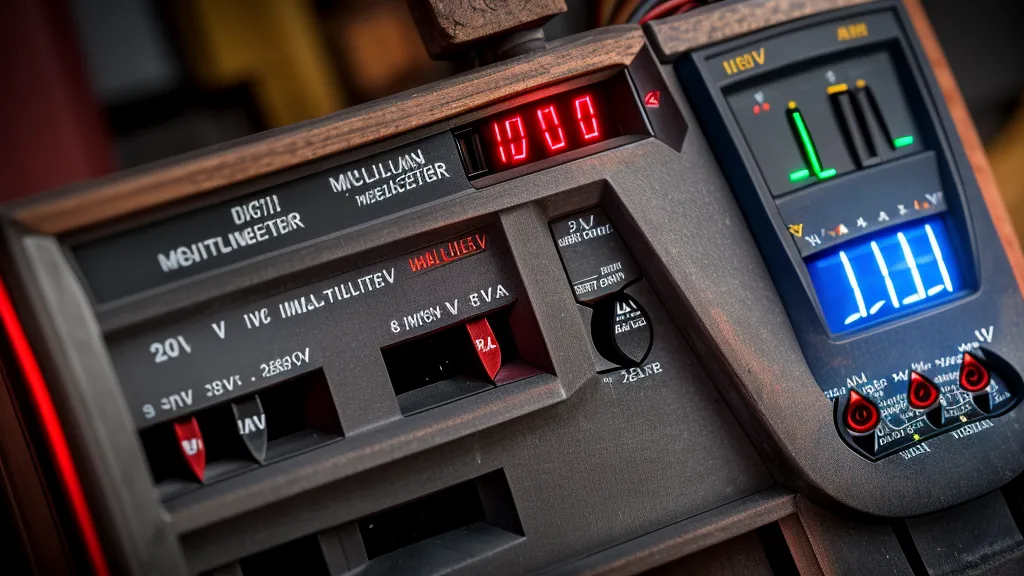
The plan was to keep the charging station completely separate from the main panel, running it off a small resonance-based unit instead of tying into household circuits at all. I settled on the Power Grid Generator, a kit built around Tesla-inspired resonance principles rather than the bulky transformers you'd find in an old backup unit, and set it up on the folding bench where my clamp-on multimeter already lives beside a notepad that's gone soft and yellow from garage humidity.
Dialing in a clean 120V output took patience, closer to a season of tinkering than a weekend project. The pegboard above the bench filled in with zip-tied cable bundles as I added test leads and spare connectors to keep everything organized. A box fan in the corner ran nonstop through the worst of the heat, more for my own sanity than the electronics. The metal shelving nearby filled up with bins of ring terminals and fuses I'd sorted out of sheer boredom between test runs.
What the Multimeter Showed After Eight Weeks
By the eighth week of running tools off the isolated loop, the numbers told a more interesting story than the electric bill did. The Power Grid Generator's output stayed steady enough that chargers weren't hunting for a stable signal the way they do on rough grid power, and hunting is usually what generates the extra heat that shortens a battery's life. Somewhere in there, the motor-oil-and-hot-asphalt smell that drifts through the open garage door every July stopped feeling like frustration and started feeling like just a normal afternoon at the bench.
I've run other parts of the house off the Energy Revolution System, and it's a solid blueprint for cutting whole-home draw. But for a single isolated bench loop like this one, the resonance approach is the simpler tool for the job. Series versus parallel wiring for a battery bank, how many amp-hours you actually need before you're wasting money on extra capacity, what tilt angle earns the most July sun — those are rabbit holes worth falling into on a slower weekend. This project deliberately stayed narrower than any of that.
For actually picking hardware, my notes on Choosing a Solar Charge Controller for Small DIY Battery Banks cover the PWM-versus-MPPT argument in more depth than this post needs, and the mounting details live over in DIY Solar Panel Mounting for Tile Roofs in the Desert if your roof looks anything like the tile ones common around here.
Does Isolating the Charger Actually Protect Your Batteries?
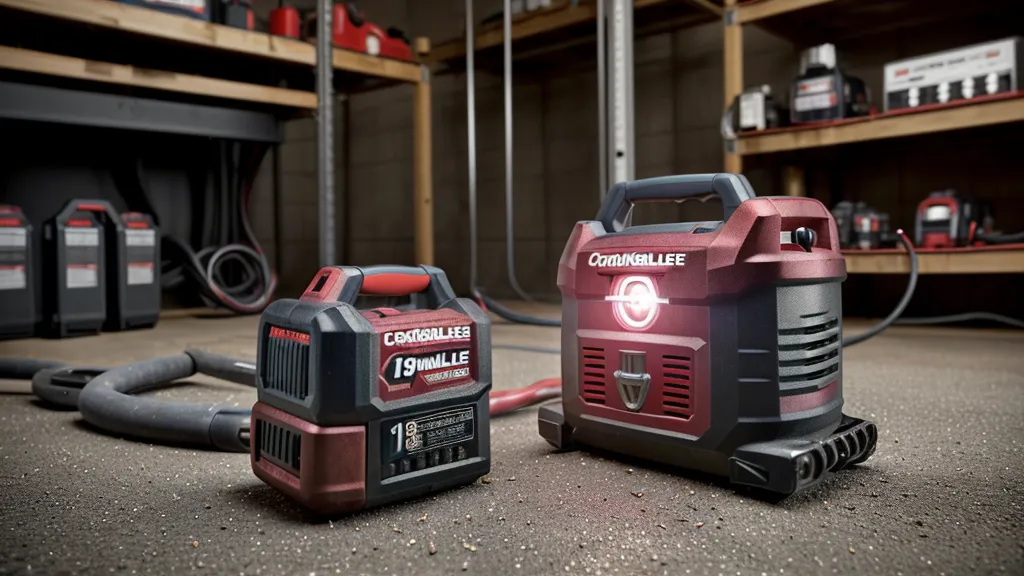
Isolating the charging loop turned out to matter more than the savings themselves. In my day job, we run UPS units to condition power before it reaches sensitive server hardware. This resonance-based setup does roughly the same job for the 18V packs on my bench. It sits between the erratic grid and the charger base, so the battery chemistry never deals with the raw, spiky version of household current.
My neighbor Rosario, two doors down, wandered over one evening while her husband — an electrician by trade — was giving my wiring one of his periodic once-overs, and he pointed out that keeping the charging circuit physically separate from anything load-bearing was doing more for safety than I'd given it credit for. That kind of outside check matters more than any spec sheet, especially on a topic where a mistake means more than a support ticket.
Something similar plays out for a home office setup. I've written separately about running a Power Grid Generator for Home Office Use, and the isolation logic there is nearly identical to what's protecting my drill batteries now.
The clearest proof came from my wife. She walked into the garage scrolling through the utility app on her phone and asked, almost annoyed, why the number looked so much lower than she remembered. That's when isolating the tool charging finally felt like more than a hobby. A broader home energy audit would probably turn up even more savings elsewhere in the house, but that's a bigger project than one garage corner can solve on its own.
The One Lesson Worth Keeping From the Garage
If there's one thing this whole project taught me, it's that protecting sensitive electronics from bad power is worth doing before worrying about squeezing every dollar out of savings. The money follows once the gear stops dying early. Anyone starting from scratch with a multimeter and some curiosity could do worse than looking at the Power Grid Generator as a way to get a feel for isolated, resonance-based charging without committing to a whole-house rebuild.
My battery rack stays full these days, and the garage still looks like a workshop crossed with an electronics swap meet, but at least the utility company isn't quietly frying my tools every time the grid sags under everyone's air conditioning.