A Tesla-inspired resonance generator and a step-by-step DIY solar blueprint are supposed to solve the same problem, yet they attack it from almost opposite directions — one leans on exotic-sounding physics, the other on parts from the plumbing aisle at the hardware store. My electric bill had hit $380 for the third August running, and since I spend my workday troubleshooting other people's networks, I wanted real off-grid testing data, not marketing copy, before trusting either one with actual Phoenix-summer energy efficiency. So I built three competing systems side by side, in the same two-car garage, under the same brutal heat.
Quick disclosure before any of that: this site runs on affiliate links, and if you click through and buy something, I get a small commission at no extra cost to you. I only put a link in front of you for something I've personally wired up and tested in my own garage, mostly because I'm too cheap to shill a product that doesn't move the needle on my bill. That's the whole business model here, and it's why I'm going to be blunt about which of these three disappointed me.
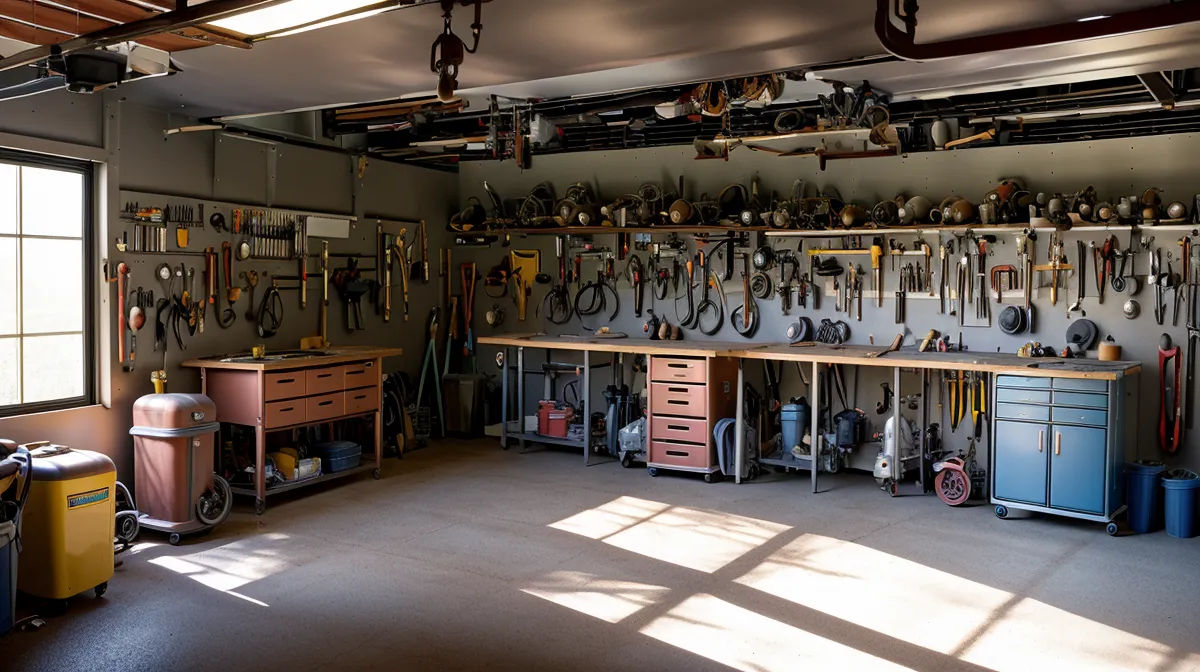
My garage has slowly turned into something between a workshop and a network operations center. A pegboard along one wall holds coiled cable in labeled bundles instead of tools, a folding workbench carries a clamp-on multimeter and a notepad gone soft at the edges, and a box fan wedged in the corner runs nonstop from May through September because the garage door stays shut more than it should. I'm not an electrician or an engineer — I'm a guy who thinks of voltage the way I think of network bandwidth, and if you're planning to tie anything into your home's main panel, talk to a licensed electrician first. I've seen enough sparks to know exactly where my limits are.
Testing Three Off-Grid Systems Through a Phoenix Summer
Before building anything, I ran a home energy audit to find where the vampire loads were hiding — I wrote up the full walkthrough in my Phoenix home energy audit piece, and it gave me a baseline for what I actually needed to offset. The goal was never a full disconnect from the utility; I wanted to cover the networking gear, a handful of LED lights, and my laptop without touching the grid during peak hours. Most of the parts for all three builds came from a single Home Depot run on Bell Road in Scottsdale, plus a couple of electronics shops around town. A friend from the Mesa maker space, Obinna, was working through his own shed-mounted solar array around the same time, and he kept sending me part numbers from whatever electronics liquidator he'd raided that week — useful, if slightly overwhelming, since half of what he found wasn't rated for anything I was building.

What Each Blueprint Actually Promises
The Energy Revolution System is less a physical kit than a documented blueprint — video walkthroughs, a materials list, and a build order that felt closer to a server deployment guide than anything electrical I'd touched before. That structure mattered, because I still make dumb wiring mistakes more often than I'd like to admit. The Orgone Motor takes the opposite approach: compact, more experimental, and less forgiving if you skip a step. I'd already put together a full Orgone Motor assembly guide in an earlier build, so I knew going in that its wiring topology needed more patience than the other two. Rounding out the lineup was the Power Grid Generator, built around Tesla-inspired resonance principles and priced as the cheapest entry point of the three digital guides, which made me skeptical going in about how much real household load it could actually carry.
Building All Three Back to Back in the Same Garage
Building all three back to back made the differences obvious fast. Phoenix heat doesn't just make the build miserable; it changes how the components themselves behave once the sun's been baking the garage all day, though I'll leave the deeper explanation of solar cell efficiency and temperature to the articles that specialize in it. Wire gauge turned into its own small research project along the way; undersized wire on a longer run is the kind of mistake that doesn't show up until a multimeter tells you your output is quietly leaking away, which is really a voltage-drop problem more than a wiring problem.
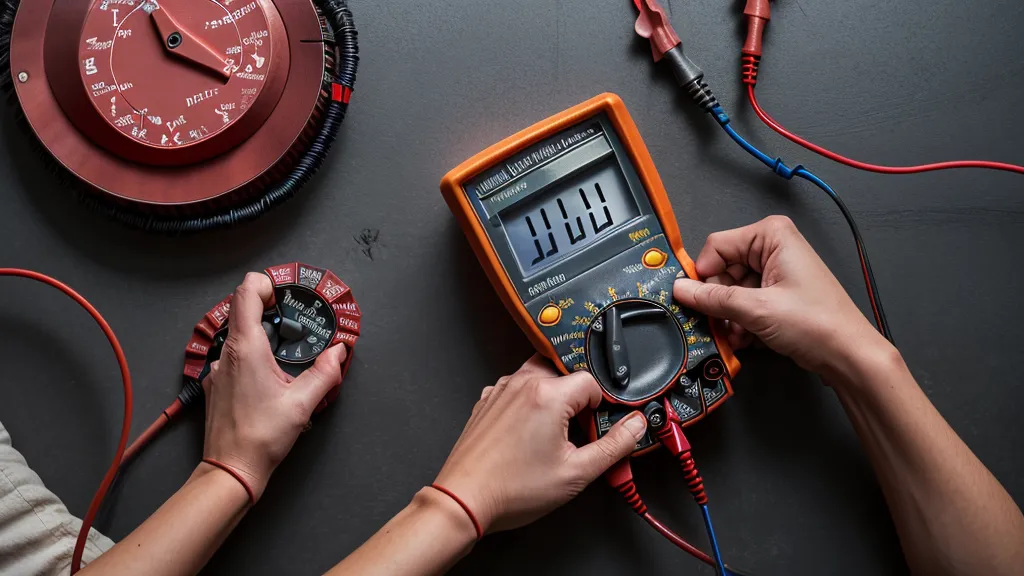
Rosario, my neighbor two doors down, has her husband — an electrician — swing by every so often to eyeball my wiring, and he flagged the Orgone Motor's grounding scheme as the one he'd least want to sign off on. The Power Grid Generator's resonance claims were the hardest to verify against reality; the guide states figures I couldn't reproduce with a multimeter of my own, which is really the gap between claimed output and measured output showing up in real time. When a household load spike tripped a breaker mid-test, there's a particular snap-and-catch feel to a breaker reseating cleanly, and I felt it more than once that summer.
Where the Numbers Actually Diverged
The clearest pattern across all three systems: peak wattage numbers make good marketing but terrible predictors of real-world reliability. A system that claims an impressive ceiling often trips the moment the AC compressor kicks on and drags the whole house through a voltage sag; that's a surge-versus-running-watts problem more than a capacity problem, and it's the reason a smaller, steadier system frequently outperforms a flashier one under actual household load.
Matching battery sizing to what I actually needed to run, not to some ideal number on a spec sheet, is what let the Energy Revolution System hold a steady, continuous output better than either alternative.
One morning, well before sunrise, I heard the chest freezer's compressor click off on its own in the quiet garage, running purely off what the battery bank had stored overnight, without pulling a single watt from the utility.
That kind of quiet, boring reliability is worth more to me than a headline wattage number.
Heat cuts the other way too. Battery capacity in a garage that tops 106 degrees for months behaves differently than the same battery in a climate-controlled closet, which is its own rabbit hole I won't get into here.
Not everything I tried worked. I enrolled in the utility's demand-response program for a summer, agreeing to ease off the thermostat when asked during two separate August evenings, and the credit that landed on my next bill was small enough that it barely felt worth the discomfort.
Comparing the Energy Revolution System to standard solar kits, the DIY route let me size everything to my actual garage layout instead of paying for a one-size-fits-all box I'd have to work around.
Which One Should You Actually Build?
If you want the most documentation and the clearest path from an unopened guide to a working system, the Energy Revolution System is the one I'd point a fellow IT type toward; it held up through the Phoenix summer without needing a second attempt at any major step. Choose the Orgone Motor instead if garage space is genuinely tight and you don't mind spending extra weekends tuning a fussier wiring topology; it rewards patience more than it punishes beginners, though it does punish beginners some. I'd skip the resonance-based option entirely unless you're building purely to learn, since its claimed output and its measured output were the furthest apart of the three.
None of these three systems got me anywhere close to fully disconnecting from the utility, and that was never really the point of the experiment. My bill still shows up every month, just smaller than it used to be during peak sun hours, and I fully expect to blow another fuse before the year is out.
If you're tired of watching that number climb every August, the fastest way to find out which approach fits your own garage is to stop reading comparisons and start one build. Grab the Energy Revolution System blueprints, make a run to the hardware store, and see what your own multimeter tells you. That beats any promise I can make you here.