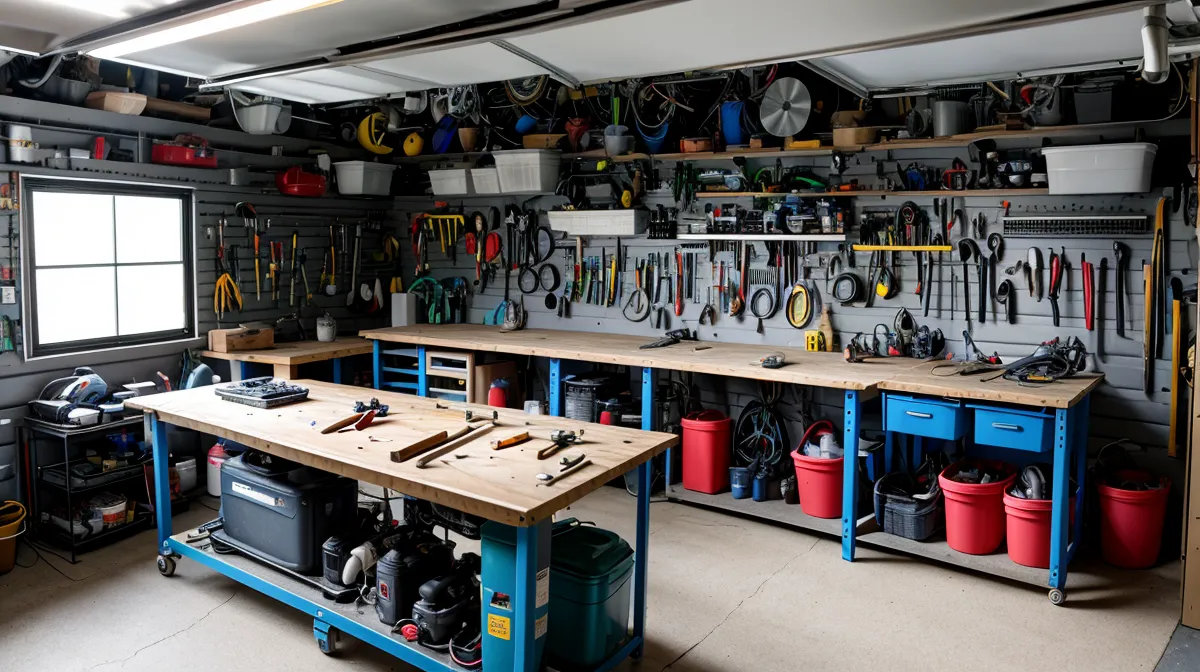
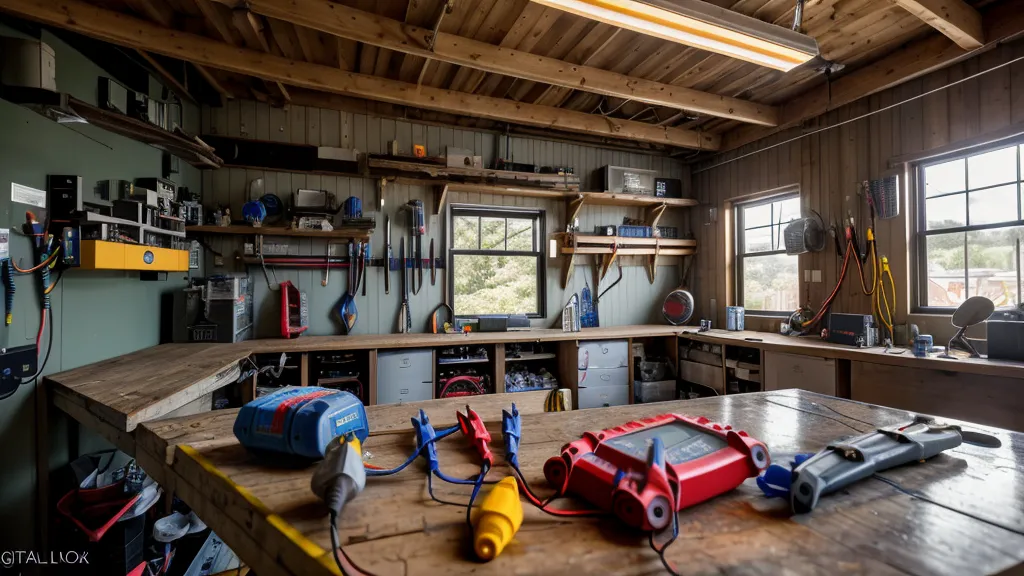
Mid-afternoon on a blistering Phoenix weekend, my garage thermometer was hovering past triple digits, and my multimeter captured the exact moment of failure. The sharp click of the internal AC relay clicked, followed by the dull hum of an inverter fan straining against garage air, and then my digital multimeter display dropped from 121 volts straight into error-code territory the second the compressor cycled on.
My entire workshop setup went dead silent. Outside, the pavement was hot enough to melt cheap flip-flops, and inside my two-car garage—which my wife routinely points out looks more like a 1990s Radio Shack hit by a tornado than a parking space—the ambient temperature was already creeping past 108 degrees Fahrenheit. If you have ever tried troubleshooting a network switch during a broadcast storm while sweating through your shirt, you know the exact flavor of frustration I was dealing with.
When I started testing alternative energy setups eighteen months ago after getting hit with another $380 summer electric bill, my primary goal was finding practical ways to shave off peak-rate utility charges. Naturally, trying to run a portable air conditioner off an independent power source seemed like the ultimate test. But making the jump from powering soldering irons and laptop power bricks to handling a refrigeration loop in the middle of a desert summer is a whole different beast.
Resistive Baselines vs. Inductive Monsters
In IT support, we talk a lot about steady-state bandwidth versus sudden bursts of unthrottled traffic. If your network interface is rated for gigabit speeds, streaming a predictable video file is trivial. But if a backup script triggers and blasts millions of tiny packets all at once, your switch buffers overflow and drop packets. Electrical loads behave along the exact same lines.
Running a soldering iron, a work light, or a battery charger is what electricians call a resistive load. Voltage and current stay in phase, the power factor is near unity, and the demand is flat. It is like pinging localhost—clean, predictable, and simple. When I first connected low-demand workshop tools to my DIY Power Grid Generator build earlier this year, everything hummed along happily.
A portable air conditioner, however, is an inductive beast. Inside that plastic chassis sits a hermetic compressor motor designed to pump high-pressure refrigerant through closed copper lines. According to appliance standards and typical manufacturer nameplate data, a standard 8,000 BTU DOE portable air conditioner has a continuous running draw between 900 to 1,200 watts. On paper, that sounds easily manageable. A standard North American residential branch circuit capacity is rated at 120 volts at 15 amps, providing a theoretical ceiling of 1,800 watts, with a continuous safe threshold of 1,440 watts under the standard 80 percent NEC rule. A 1,000-watt running load fits well within those boundaries.
The problem is not the steady-state running wattage; it is the startup spike. When that motor is sitting stationary and receives line voltage, it requires what is known as locked rotor amps to physically get the mechanical pistons or scrolls spinning against pressurized refrigerant. Per standard motor guidelines, the typical inductive motor compressor startup surge multiplier runs between 2 to 3 times running wattage. For a split second—sometimes just a few electrical cycles—that modest 1,000-watt unit suddenly demands 2,500 to 3,000 watts of immediate burst power.
If your power source cannot supply that massive instant current, the voltage collapses. The inverter's low-voltage protection triggers, shutting down the AC output to protect its internal switching MOSFETs, leaving you standing in a hot room with a blinking red fault LED.
The High-Ambient Heat Penalty
Back in early July, I figured I could brute-force the problem by simply sizing up my storage capacity and ensuring my inverter had enough peak surge headroom. But Phoenix summers introduce a brutal physical variable that spec sheets printed in climate-controlled test labs rarely emphasize: thermal derating.
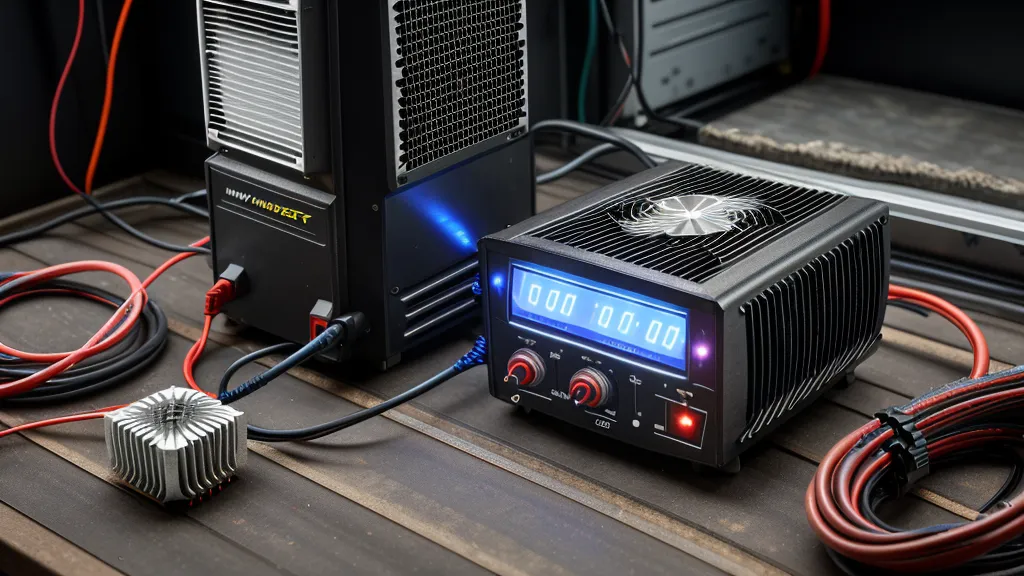
Electronic components despise heat. Power inverters and solid-state battery management systems undergo severe thermal derating when operating in ambient temperatures above 104 degrees Fahrenheit (40 degrees Celsius). As ambient temperatures climb, the cooling efficiency of internal heatsinks plummets. The thermal gradient between the hot silicon inside the inverter and the surrounding air shrinks, which means the cooling fans have to move vastly more volume just to keep internal junctions from frying.
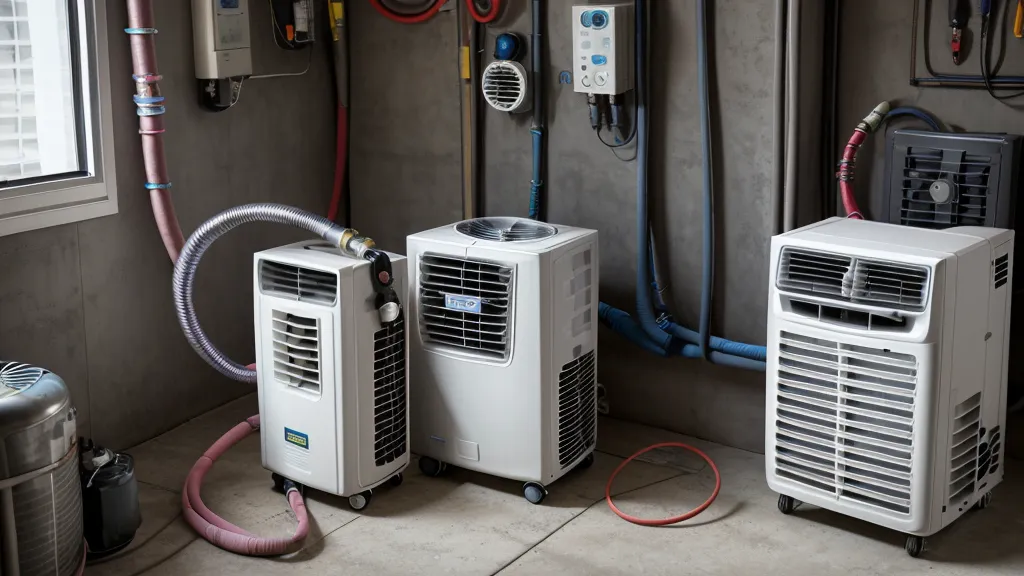
To make matters worse, ambient heat attacks your cooling efficiency from both ends of the wire. While the generator's inverter is struggling to stay cool and losing efficiency, the portable air conditioner itself is actively choking. Portable single-hose units pull indoor air, run it across an internal condenser coil to absorb heat, and blast that superheated exhaust out through a flexible plastic duct. When your garage is sitting at 112 degrees, that condenser is trying to dump heat into an atmosphere that is already saturated with thermal energy. Head pressure inside the refrigerant loop skyrockets, which forces the electric motor to work harder, pushing running wattage from the low 900s right up against 1,200 watts continuously.
During a brutal mid-August heatwave, I logged my power draw during the hottest part of the afternoon. Not only was the AC pulling near its maximum nameplate limit without cycling off, but my generator's control board was throwing high-temperature warning chirps after just forty minutes of operation. I was burning through stored power at an alarming rate, and the temperature in my garage had dropped by maybe four degrees. I was effectively turning kilowatt-hours into noise and marginal comfort.
The Strategic Pivot: Stop Running During Peak Afternoon
That failure forced me to rethink my entire operating procedure. The conventional instinct when you feel hot is simple: walk over to the thermostat, flip the switch on, and blast the AC until you stop sweating. When you are tied to the municipal power grid, you pay a steep financial penalty for that habit during peak billing hours, but the substation keeps delivering juice. When you are relying on an alternative power system or an off-grid generator, that approach breaks down completely.
My turning point came when I realized: stop running your portable AC during the peak heat of the day, as high ambient temperatures significantly decrease the unit's compressor efficiency and drastically inflate generator fuel consumption and battery drain. Trying to bring a 115-degree garage down to 80 degrees at 3:00 PM is like trying to defragment a failing hard drive while running three 4K video renders—you are hitting the hardware at its point of maximum vulnerability.
Instead of battling peak afternoon physics, I changed my scheduling topology:
- Pre-cooling during morning off-peak hours: By turning the portable AC on early in the morning when the garage was still resting around 85 degrees, the compressor operated against dramatically lower head pressure. It reached the set point easily, cycling on and off smoothly with low continuous draw.
- Thermal mass management: Once the concrete slab and heavy tools were chilled down in the morning, the garage retained that thermal inertia well into the afternoon. Instead of running the heavy compressor when outdoor temps peaked, I switched the unit to fan-only mode or relied on passive insulation.
- Active inverter cooling: I redirected a small 12-volt brushless fan directly across the generator's heat exchanger fins. Keeping that aluminum heatsink below its thermal derating threshold kept the inverter's voltage rail rock-solid during compressor cycles.
- Auxiliary thermal evacuation: Paired with my earlier workshop experiments, such as learning how to build a solar powered attic fan to lower garage temperatures, drawing hot air out of the ceiling cavity took significant pressure off the portable AC's exhaust run.
By late September, this shifted strategy completely transformed my garage workflow. Instead of experiencing nuisance inverter trips and watching my voltage rails sag into oblivion, the system hummed along reliably. I managed to get solid, comfortable work sessions in my garage without paying extortionate peak-rate power bills or cooking my electronics.
Real-World Hardware Adjustments
If you plan on hooking a refrigeration compressor to any DIY alternative generator, there are several mechanical and electrical realities you have to account for. You cannot treat an inductive motor like a regular appliance.
First, look closely at the locked rotor rating. Many off-the-shelf portable air conditioners do not publish their LRA on the decorative sales box, but you can find it stamped right on the metal compressor casing inside the service panel. If your inverter is rated for 2,000 watts continuous but only has a 2,500-watt surge rating for a few milliseconds, a compressor demanding an inrush of 3,000 watts will trip the overcurrent protection every single time. In my own testing, installing a soft-starter kit—essentially an external run capacitor and thermistor circuit that smooths out the initial inrush curve—cut that violent startup spike by nearly half, allowing the inverter to absorb the load without dipping line voltage.
Second, pay attention to wire gauge and line loss. In networking, using poor-quality patch cables leads to packet retransmissions and degraded throughput. With high-amperage 120-volt circuits, running a thin 16-gauge extension cord creates significant electrical resistance. When the compressor tries to pull its startup surge through a long, skinny cord, the voltage drops across the wire itself before it even reaches the motor. Always use a heavy 12-gauge or 10-gauge cord kept as short as humanly possible.
Third, keep your power generation hardware out of direct thermal radiation. If your generator or battery enclosure is absorbing radiant heat from uninsulated garage walls or metal doors, internal temperatures can easily sit 15 to 20 degrees above ambient room air. I learned this the hard way after watching my battery management system throttle charge rates due to thermal ceiling limits. Isolating the power components in a shaded, well-ventilated corner makes a noticeable difference in continuous capacity.
I documented some of these early setup quirks and thermal behaviors when I wrote Tesla's Legacy in a Suburban Garage: My Honest Review of the Power Grid Generator, and the lessons learned there still apply every time the desert summer rolls back around.
The Reality Check on DIY Garage Cooling
Can an alternative generator setup successfully run a portable air conditioner in triple-digit desert heat? Yes, but only if you respect the physics involved. You cannot expect a DIY system to behave like an infinite municipal grid connection that blindly absorbs massive, inefficient spikes whenever you feel like flipping a switch.
It requires an IT mindset: understand your bandwidth constraints, monitor your operational temperatures, and balance the load before the system crashes. Trying to cool a hot uninsulated space in the middle of a July afternoon is a fool's errand that cooks your hardware and drains your storage. Pre-cooling during milder hours, reducing startup surge loads, and keeping your power electronics derate-free turns a frustrating technical roadblock into a reliable, functional workshop setup.
Just remember a quick disclaimer: I am an IT guy who spends his weekends tinkering with wires and multimeters, not a licensed electrician or professional HVAC technician. High-amperage AC circuits and refrigeration equipment carry real risks of electrical shock and equipment damage, so always consult a licensed electrician before connecting high-draw appliances to any custom DIY power source.
Taking control of your energy usage is all about incremental troubleshooting. When an experiment trips a circuit or dumps voltage, do not abandon the project—read the telemetry, adapt your habits, and build a smarter setup. If you are looking for other practical ways to tackle runaway summer power costs, check out my breakdown of My Phoenix Garage Experiment: The 7 DIY Changes That Actually Cut My Massive Electric Bill to see what actually worked without blowing out my budget.