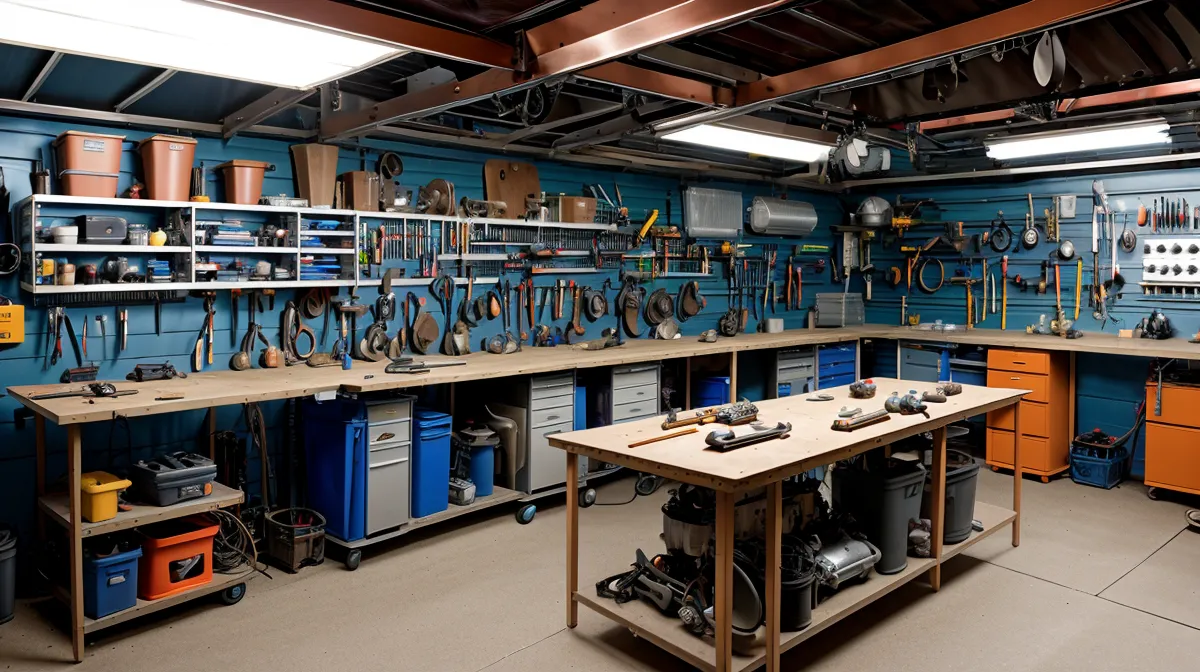
Copper coil in one hand, multimeter probe in the other. I'm three evenings into wiring the Energy Revolution system's core when the readout jumps higher than it has any business jumping for a homemade rig this size. That's usually the moment you want to trust the number. It's also usually the moment you're wrong. A DIY power build meant to offset part of a suburban home battery bank will test exactly that instinct, and this off-grid setup gave me plenty of chances to get it wrong before I got it right.
The Blueprint Problem Nobody Mentions
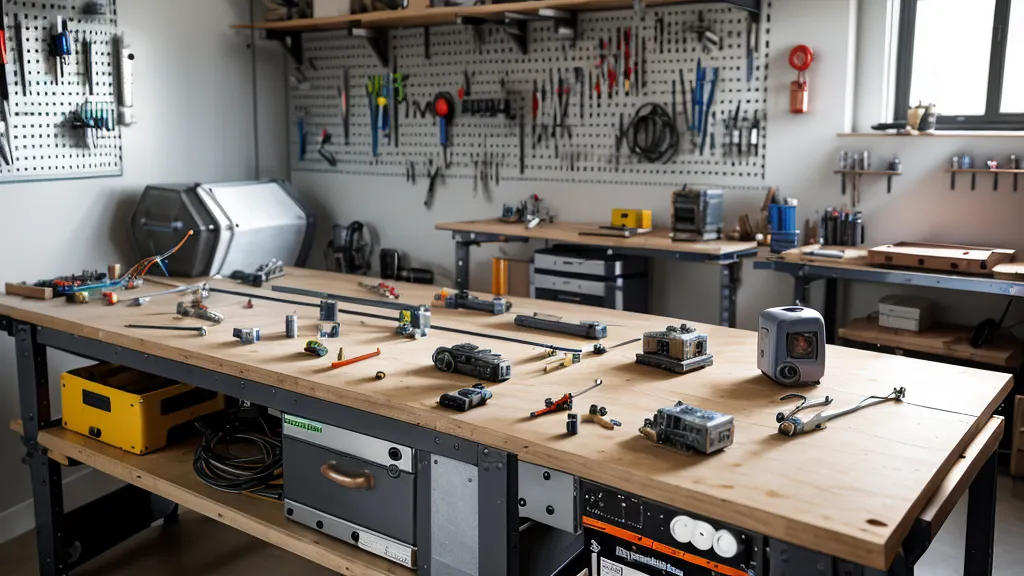
The push to build this thing in the first place traces back to an APS bill I reloaded on my phone twice because the number on the screen looked wrong the first time. It wasn't wrong. Two years into testing every DIY energy gadget I could get my hands on since that afternoon, a homemade generator core felt like the logical next experiment. It's more involved than a solar panel kit, less insane than it sounds once you've already rebuilt a battery bank twice.
To an IT guy like me, an alternative-generation schematic reads a lot like an unfamiliar network diagram: power packets instead of data packets, wire gauge standing in for bandwidth, a rectifier doing the job of a firewall that keeps current flowing one direction without backfeeding into anything it shouldn't. The premise behind the Energy Revolution blueprint is simple enough on paper: spin a rotor past a coil array, rectify what comes out, feed a modest battery bank. Getting there meant a supply run that turned into a whole Saturday. Copper wire and mounting hardware came from the hardware store, a case of batteries for the multimeter from the Costco out on Paradise Valley Parkway after mine died mid-project, and a few aluminum brackets salvaged from a scrap pile a neighbor was throwing out.
Why Wire Gauge Isn't a Place to Cut Corners
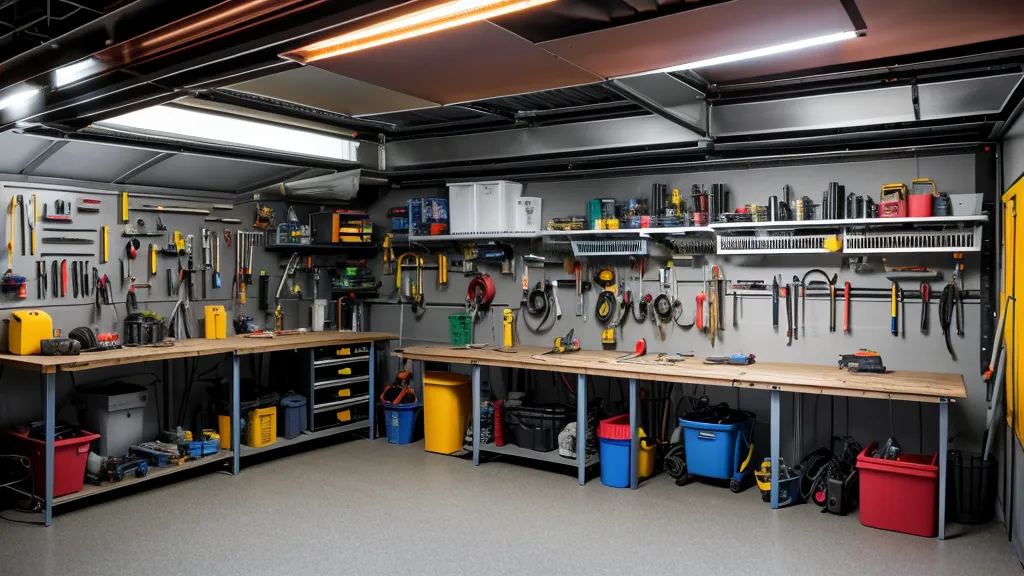
One sweltering Saturday afternoon, I finally got the mechanical core together and started chasing voltage with the multimeter. Running a low-voltage DC loop like this pushes a lot more amperage per watt than the 120V alternating current in your walls, which is the entire reason wire sizing on a build like this matters more than most tutorials let on; a topic a wire-gauge reference elsewhere on this site covers in far more detail than I'll get into here. None of that saved me from the first real mistake of the build. I rushed the bridge rectifier wiring, reversed a pair of pinouts, and watched a thin wisp of gray smoke curl up before the multimeter leads even touched the terminals. The bridge rectifier was dead, the meter sat at a flat 0.00V, and I spent the next two hours desoldering the toasted part and rebuilding the joint with fresh heat-shrink.
A forum contact of mine, Kwame Asante, a guy out in Glendale who won't take any output claim at face value without raw numbers behind it, was the one who talked me out of trusting the blueprint's generation curve at all. His argument was simple: a claimed wattage figure and a measured one are rarely the same thing on a DIY magnetic generator, and the gap between those two numbers is really its own subject. So instead of taking the schematic's word for it, I logged actual multimeter readings off the coil array for weeks before trusting the thing to run anything in the garage unsupervised.
The Home Battery Trap Everyone Falls Into
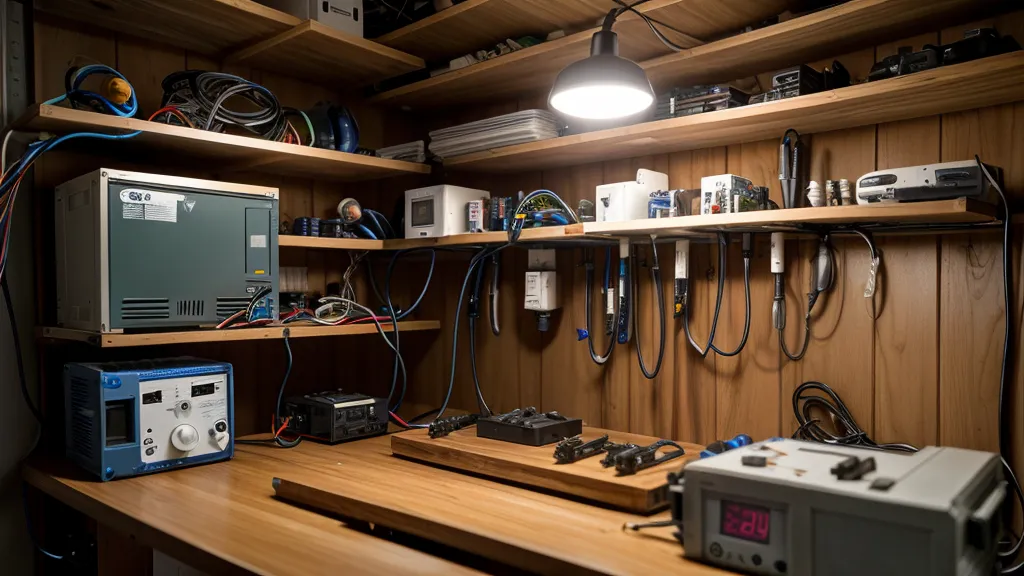
Three weeks of bench testing later, the mechanical assembly was spinning smoothly and putting out stable rectified DC, which is right about when I ran into the biggest misconception in this whole hobby: the idea that energy independence is just a matter of stacking more batteries. Sizing a battery bank properly is a deeper topic than it looks, and it gets its own full treatment elsewhere, but the short version I learned the hard way is that discharging a deep-cycle battery too far past its safe depth of discharge wrecks its lifespan fast, and a desert garage pushes heat into that chemistry in a way that only makes things worse.
Before I got serious about the actual thermal problem, I tried the cheap fix first. Reflective window film across the south-facing patio doors sounded like a reasonable stopgap, and it bought maybe two or three degrees on the worst afternoons and nothing more. A rounding error against triple-digit garage temperatures, nowhere close to what the battery chemistry actually needed. Keeping a battery bank cool in a hot garage turns out to be its own rabbit hole, with a full writeup of its own, but the short of it is that passive thermal work beats buying more storage hardware almost every time.
A reader named Juniper Halloway emailed me a while back about a very similar frustration: her 12-volt battery bank kept tripping the breaker, and instead of guessing at a fix alone, she posted her actual readings to a forum until someone spotted an undersized interconnect wire as the culprit. That's the right instinct. Crediting the collective troubleshooting of strangers online gets you to a working build faster than pretending you figured it all out solo in your own garage.
Sealing the garage door perimeter, adding foam panels to the reflective sheet metal, and shading the exterior west wall did more for the whole system than any amount of additional battery capacity. The specifics of those fixes are in My Phoenix Garage Experiment: The 7 DIY Changes That Actually Cut My Massive Electric Bill, and every one of those changes makes the Energy Revolution setup's output stretch noticeably further.
Can You Legally Tie This Into Your House Panel?
Tying a homemade generation loop straight into your service panel is a different, much bigger topic than anything covered here. It is not something to improvise, since backfeeding power into grid lines without a proper transfer switch endangers utility workers and violates code everywhere. I kept my build physically isolated instead, running a dedicated pure sine wave inverter on its own sub-circuit far from the main distribution panel, and treated anything beyond that as a licensed electrician's job rather than a weekend one.
What Four Weeks on the Bench Actually Taught Me
What this setup actually delivers has nothing to do with unplugging from the power company. It won't run a central air unit or an electric range, and the surge draw those appliances pull at startup is a completely different animal from their steady running wattage anyway. A distinction that matters more than most spec sheets admit. Where it earns its keep is quieter work: task lighting, charging cordless tool batteries, and absorbing the kind of small, constant phantom loads that sit in the background of a utility bill without anyone noticing. The inverter itself runs warm enough through a Phoenix summer that thermal derating becomes a real consideration rather than a footnote, which is worth reading up on separately before assuming your gear performs at its rated output in July.
By the fourth week of logging numbers every evening, the auxiliary chest freezer circuit was staying off grid power through the entire peak billing window instead of just part of it, which was the first result that actually felt like progress rather than a science project. That kind of small, continuous workload is the sweet spot for a build like this. One specific version of it is covered in Using the Energy Revolution System to Run a Laptop in My Garage, and whether the math on any of this actually pencils out over its lifespan is really a payback-period question deserving its own honest accounting rather than a blueprint's marketing promise.
Lead-acid's heat problems eventually pushed me toward lithium iron phosphate chemistry for the next version of the bank, a longer story covered in Why I Switched to LiFePO4 Batteries for My Garage Solar Bank. If there's one thing worth carrying away from this build, it's that the generator core is the easy part. Respecting your wire gauge, your battery chemistry, and your panel's wiring rules is where the actual project lives, and skipping any one of those to get to the fun part faster is how you end up desoldering a dead rectifier at midnight instead of charging tool batteries off power you already own.